Repairs · Adjala-Tosorontio
Garage Door Manual Lock Repair in Adjala-Tosorontio
Someone slid the inside lock across before bed, and in the morning someone else pressed the remote.
In plain words
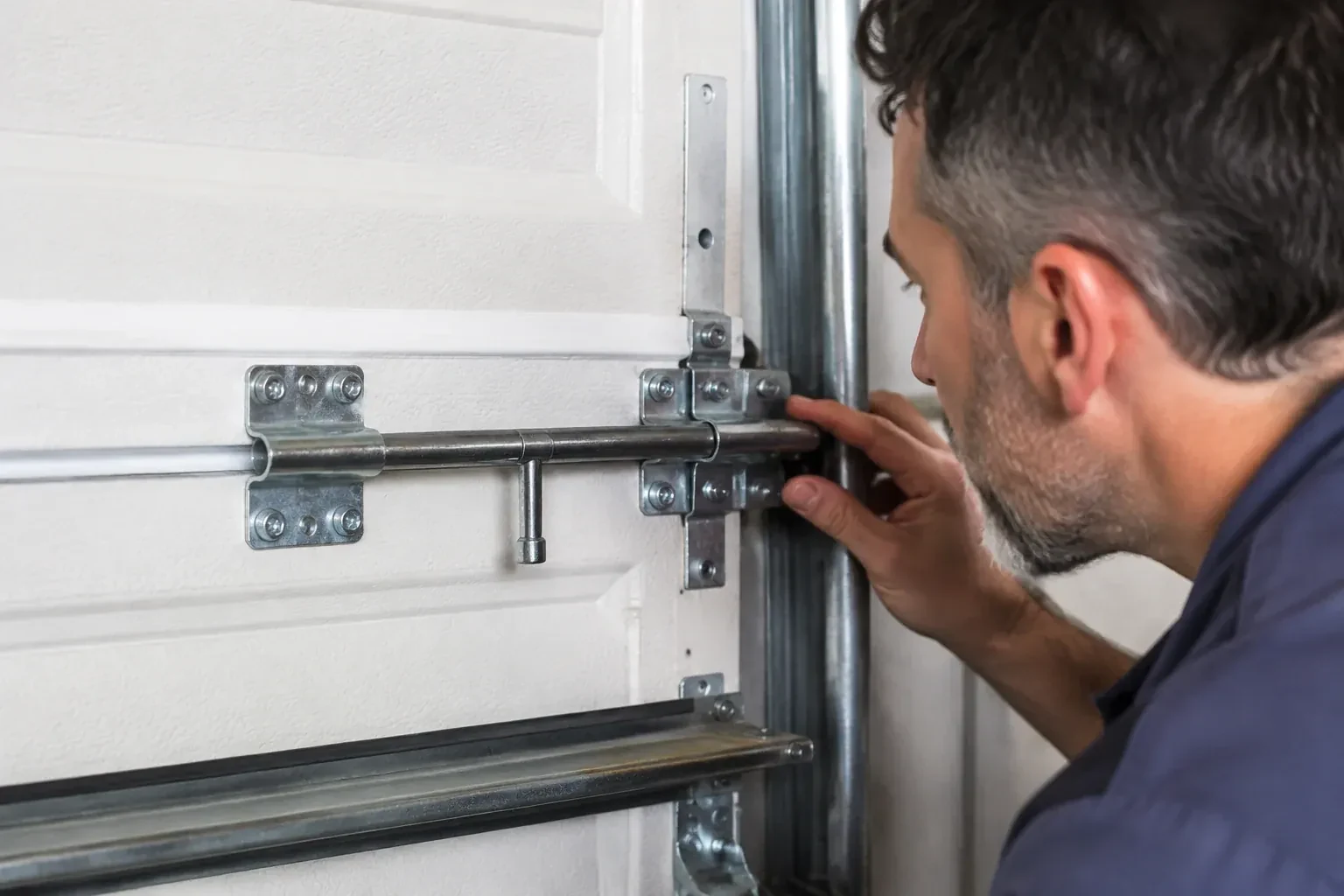
A manual lock earns its keep on the nights the power goes out. With the opener dead, the door comes down by hand on the release cord, and the slide bolt or T-handle is what holds it shut until morning. Winter tests these locks: meltwater freezes in the outside cylinder, salt spray stiffens the bars in their guides, and packed snow under the door lifts it just enough that the bolt misses its slot. Lock repair puts the mechanism right, treats the cylinder and bars so they shed moisture, and leaves you with a simple routine for outage nights.
How the visit goesIt is a February morning and the key goes only halfway into the garage handle. Yesterday's melt ran down the door face and into the keyway, and overnight it set like glass. The key flexes; the cylinder stays put.
Garage Door Manual Lock Repair
How the visit goes
The cylinder and its key
A keyed handle gets the same attention a house lock would. The technician tries the key, feels for grit, ice or wear, and checks whether the cylinder is firm in the handle or has worked loose. A key that turns freely without unlocking anything means the tailpiece or cam at the back of the cylinder has broken or slipped. A key that will not enter or turn in cold weather usually means meltwater has frozen in the keyway. A key that needs a wiggle means worn pins or a worn key. Whether you hold a key at all is noted too, since a lost key shifts the plan from repair to rekeying or replacement.
Rebuilding or replacing the centre mechanism
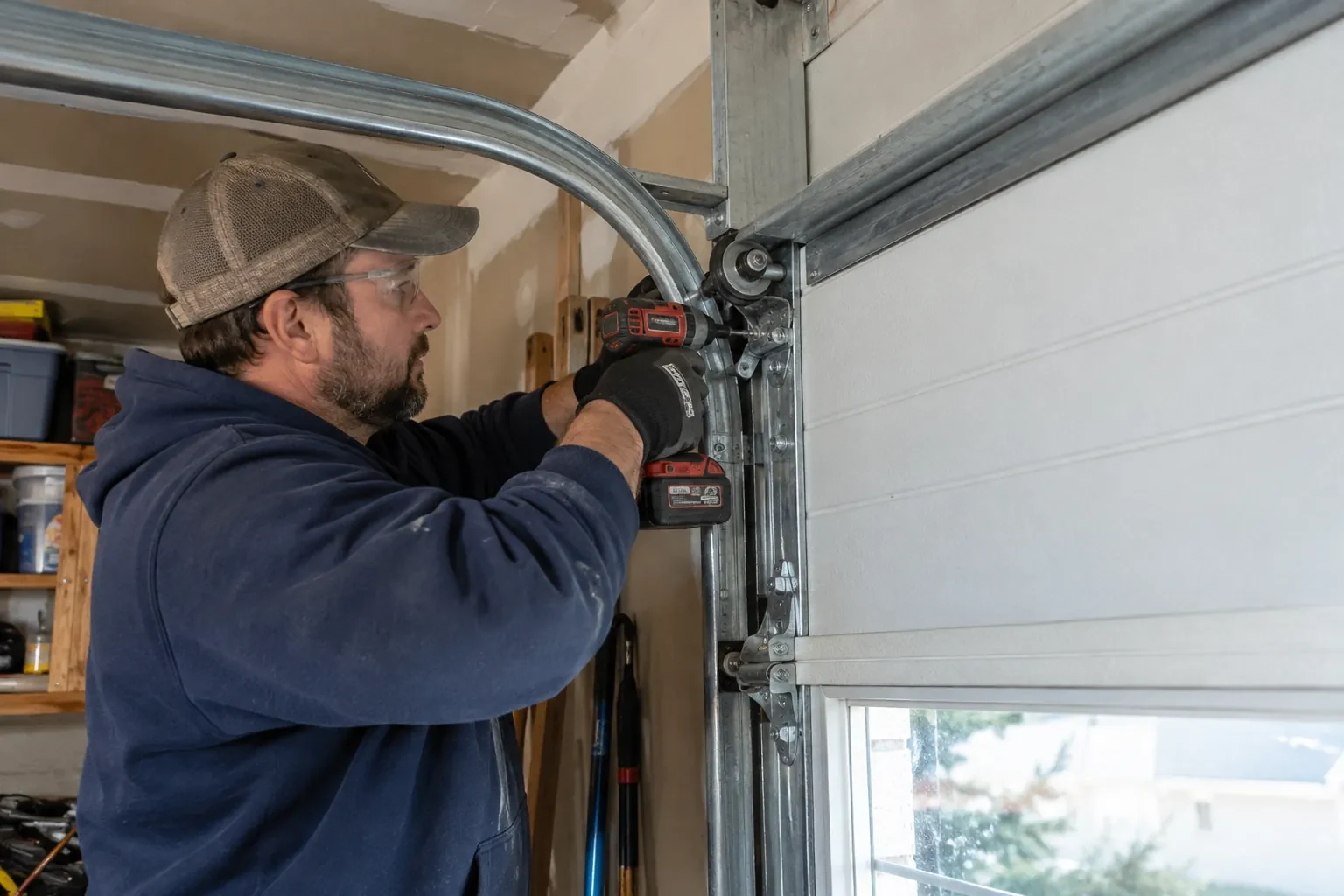
Inside the door, the cover comes off the centre lock body. A broken return spring is replaced and the cam checked for wear; where the cam has rounded off or the body has cracked, a complete mechanism of matching pattern is fitted so the existing handle and bars line up with it. The spindle is checked for twist and replaced with one of the correct length for the door's thickness, and the inside knob or turn handle is secured with a fresh set screw onto a flat. Everything is then operated from both sides with the door shut, adjusting the bar connections until a quarter turn throws both bars fully and releases them cleanly.
Keys, spares and who holds them
If the cylinder was rekeyed or replaced you leave with new keys cut from the fresh pinning, usually two or three, each tested in the handle. Decide now who in the household carries one and where a spare lives; a lockbox or a trusted neighbour beats a hook inside the garage, since the door you are trying to open is the one the spare is behind. If the garage was keyed to match the house, test the shared key in every door before the technician goes. Note the cylinder type and keyway on the record, so future keys can be cut or the lock re-pinned without guesswork.
Garage Door Manual Lock Repair
In the van
Key blanks and rekeying pins
Inside slide bolt or snap latch
Opener lock-out reminder label
Keyed T-handle lock set
Lock bar guides
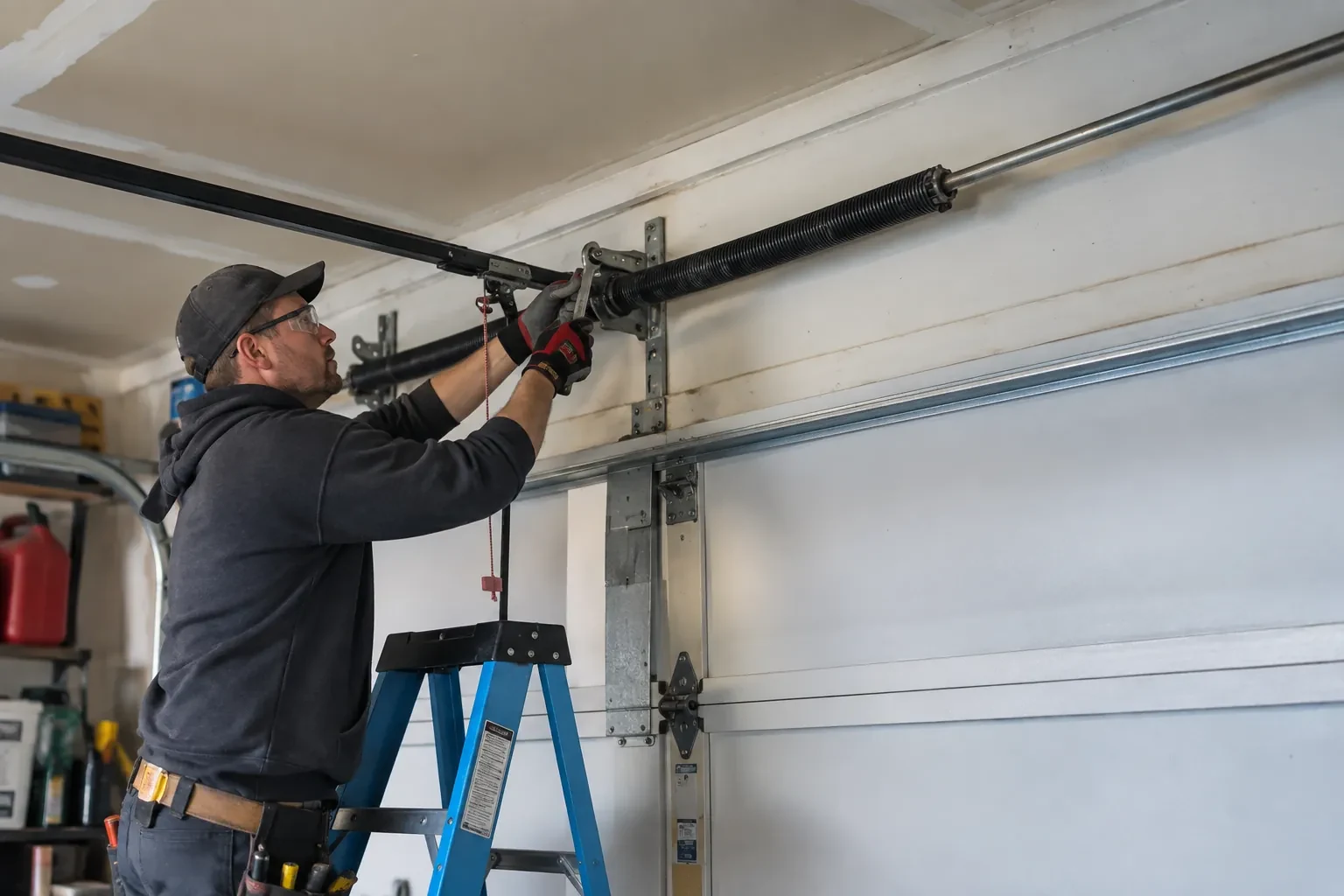
Garage Door Manual Lock Repair
What affects the quote
Steel skin or wood
Thin steel that has let the screws pull, or wood gone soft around the handle, calls for carriage bolts, backing plates or a filler block. That reinforcement is its own line in the quote.
Door thickness and insulation
Insulated and thicker doors take longer spindles, longer through-bolts and sometimes a sleeve through the foam. Matching those parts to the door affects the parts list.
Corrosion and seized hardware
Screws rusted solid, a cylinder seized in its handle or bars welded into their guides take time to free or cut out, and corroded parts are replaced rather than reused.
What to have ready
- Does the door close fully to the floor and sit level?
- Is there an automatic opener on this door?
- Are the lock bars bent, rusty or hanging loose?
Garage Door Manual Lock Repair: questions
QuestionsThe handle turns but the bars stay put. What has broken?
Something in the short chain between the handle and the bars. The square spindle may have twisted or sheared, the set screw holding the inside knob may have let it spin free, the cam inside the centre body may have worn round, or the return spring may have snapped. The inside cover comes off to see which, and the failed part or the whole mechanism is replaced to suit.
Do I need a manual lock at all if I have an opener?
Many households do without one. With the trolley engaged, an opener holds the door shut, and most wall consoles include a lock-out button that disables every remote while you are away. A manual lock earns its place for power outages, for a detached garage without an opener, and for anyone who likes a physical bar in the track. The technician can set the door up either way.
How long does a manual lock repair usually take?
An adjustment to a slide bolt or a guide is a short job, while a full T-handle replacement with new bars, a rekey and a door alignment fills a longer visit. Most calls sit somewhere between, and the technician gives you a realistic sense of the time once the door has been looked at, rather than guessing from the phone.
Related services
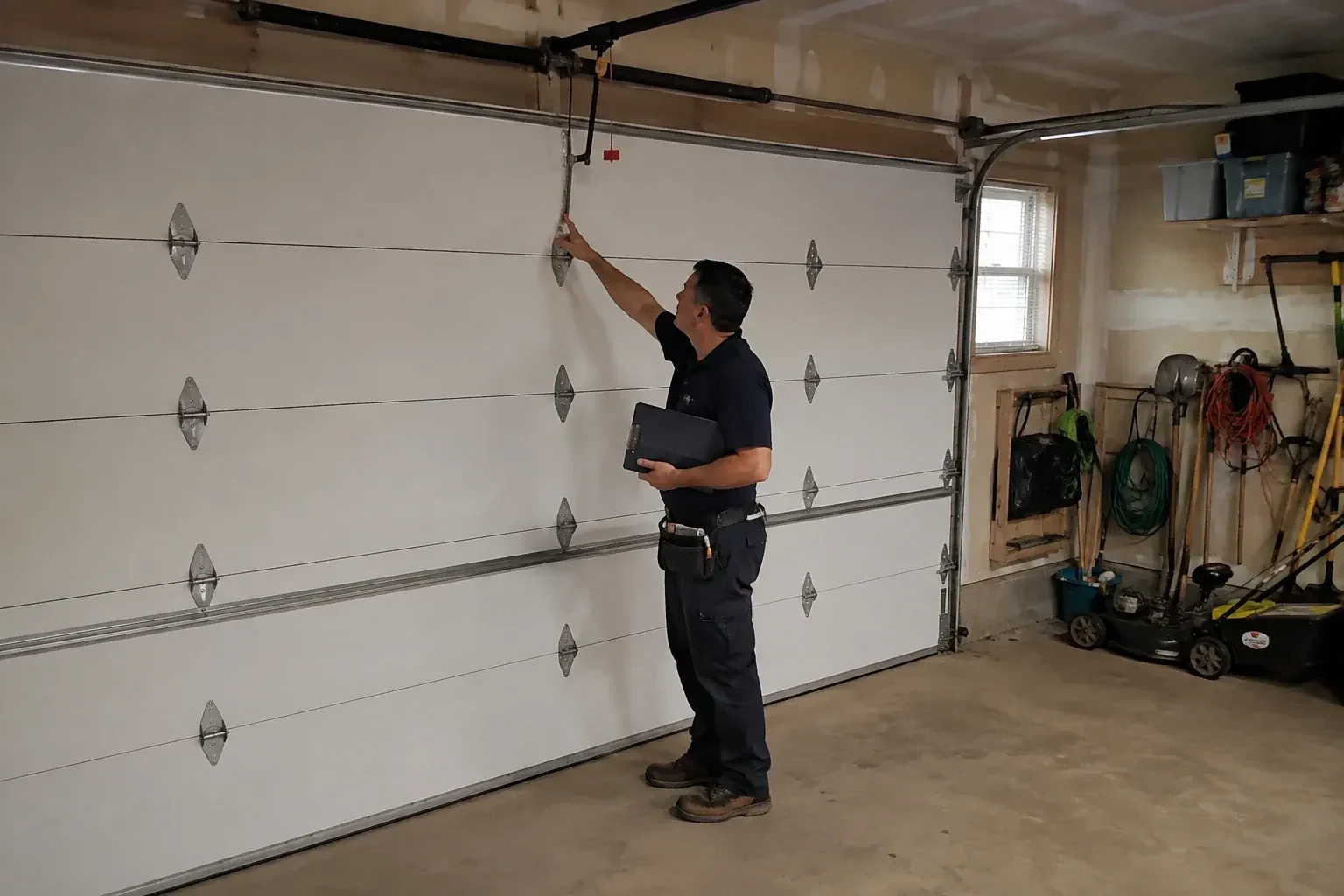
- Garage Door Tune-UpOn windy nights the door rattles in its frame, there is a line of daylight along one side, and the bottom seal has gone hard and flat.
- Off-Track Garage Door ResetOne side of the door hangs a hand's width lower than the other.
- Garage Door Panel ReplacementThe top section has developed a bend where the opener arm pulls on it.