Garage Doors in Adjala-Tosorontio, OntarioNew siding.New door to match.
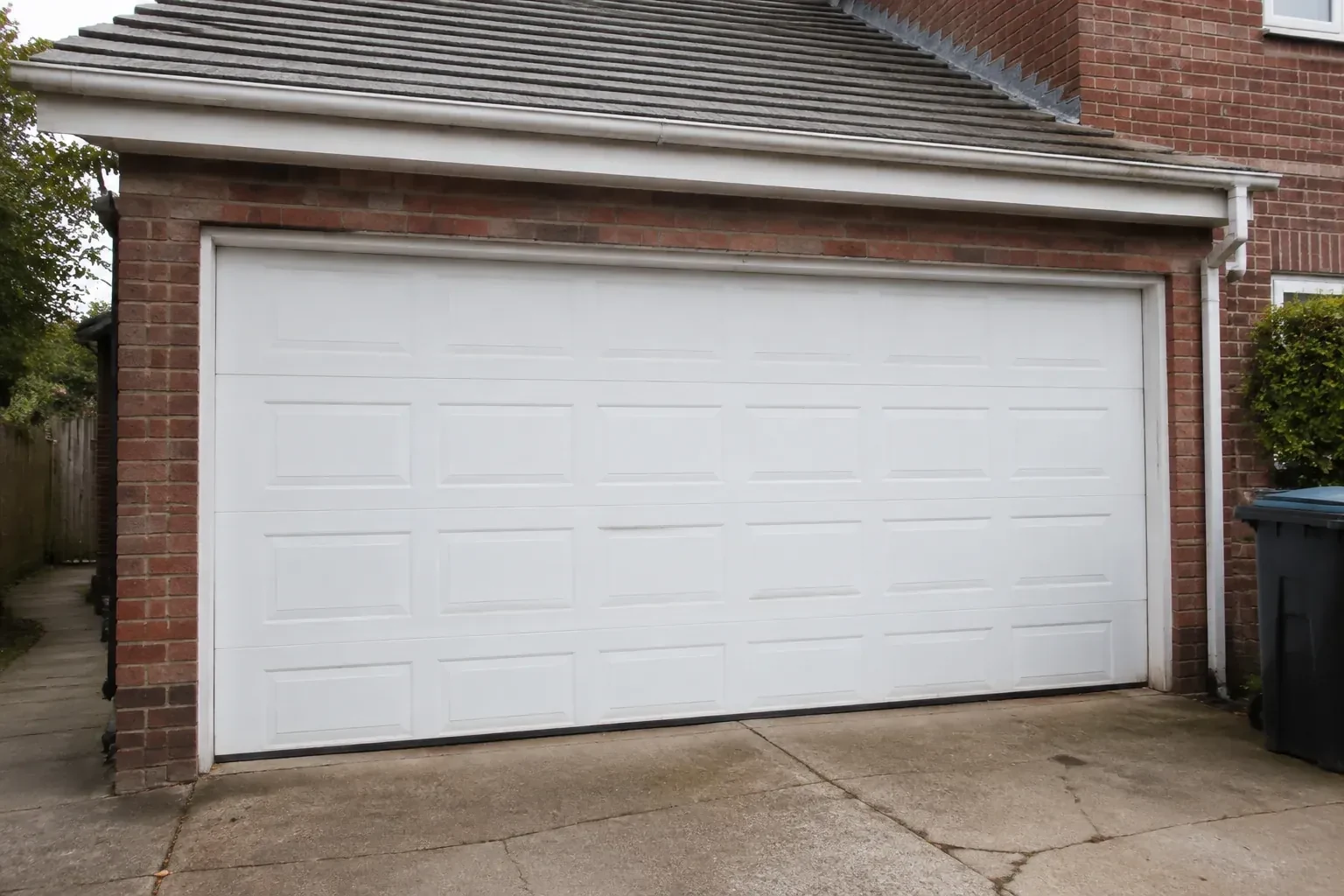
A renovation changes the face of a house, and the old garage door can suddenly look out of place. We help homeowners in Adjala-Tosorontio pick panel styles, window inserts, colours and hardware that suit the new exterior, then install the door plumb and level so it looks intended rather than added. Calls from Rosemont, Elder, Mulmur, Everett, Sheldon and Tioga are covered too.
A renovation changes the face of a house, and the old garage door can suddenly look out of place. We help homeowners in Adjala-Tosorontio pick panel styles, window inserts, colours and hardware that suit the new exterior, then install the door plumb and level so it looks intended rather than added. Calls from Rosemont, Elder, Mulmur, Everett, Sheldon and Tioga are covered too.
Repair when it makes sense. Replace when it doesn't.
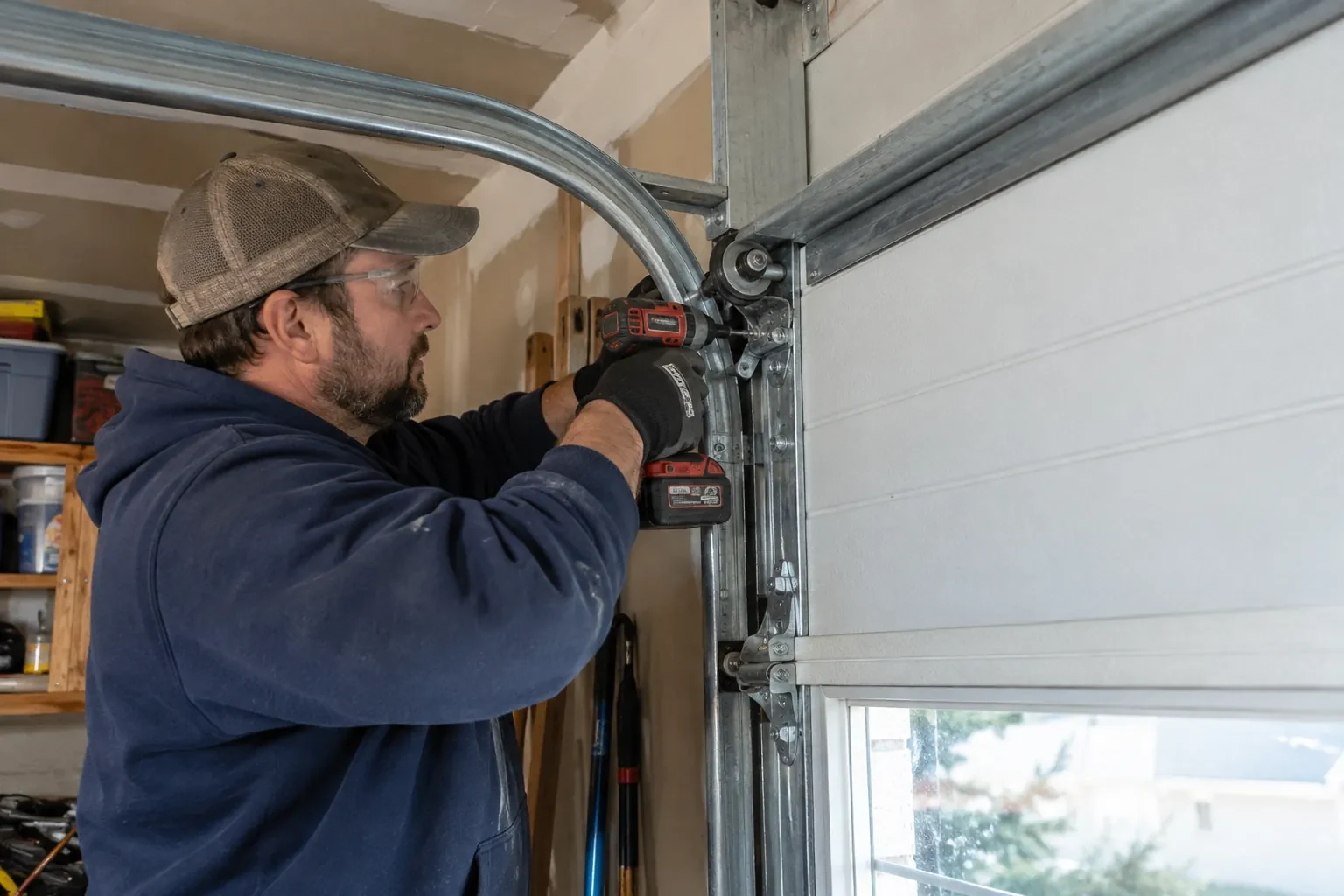
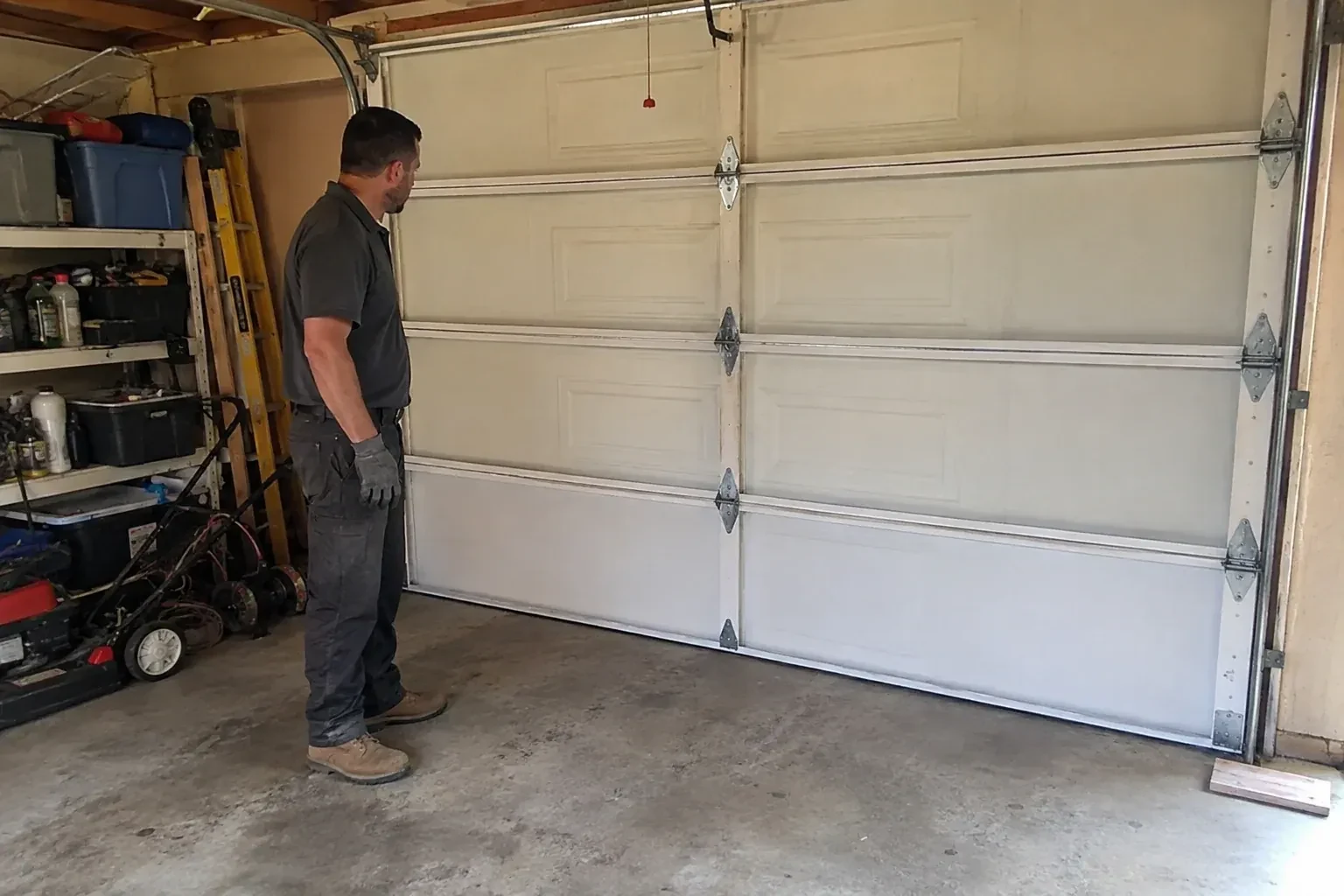
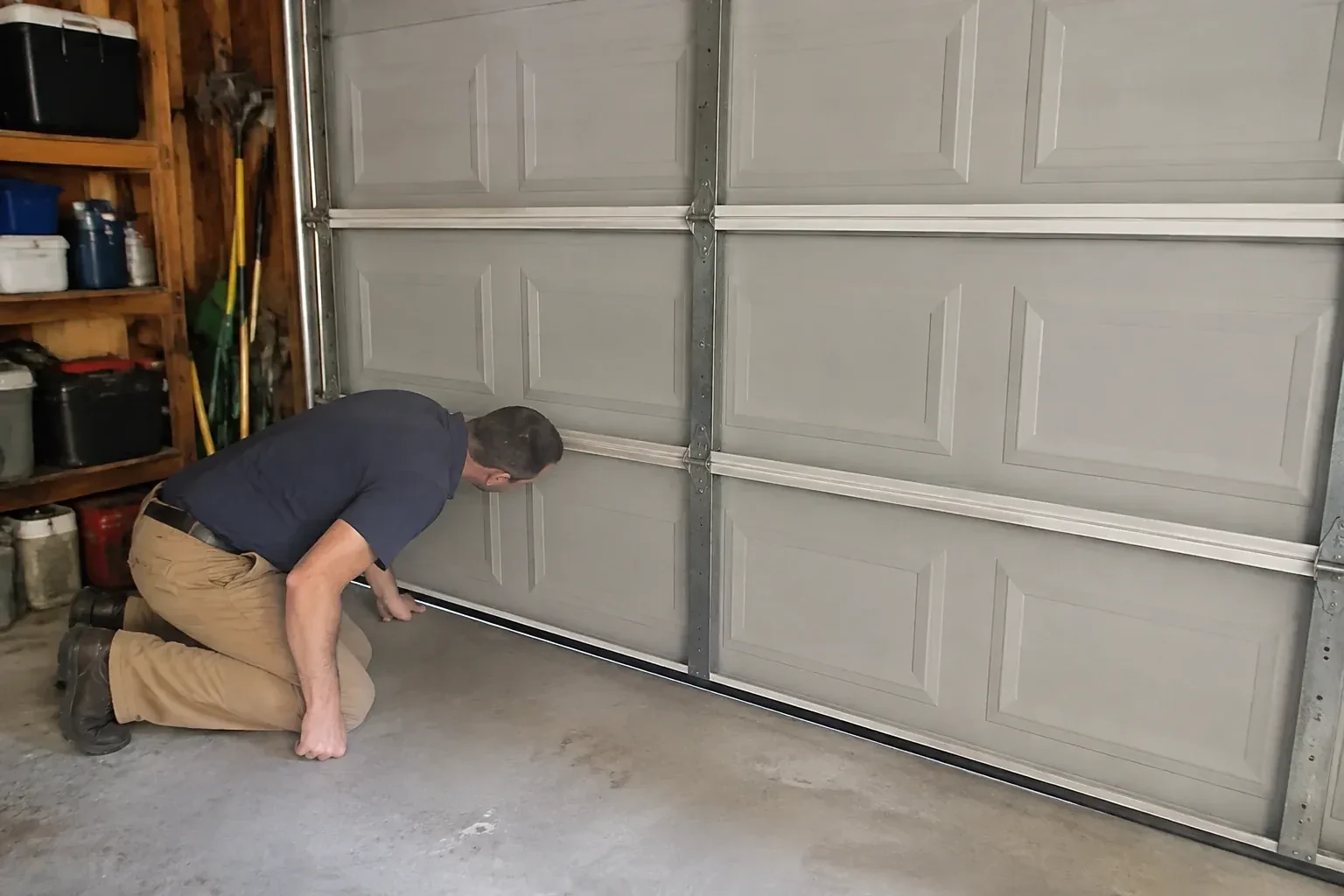
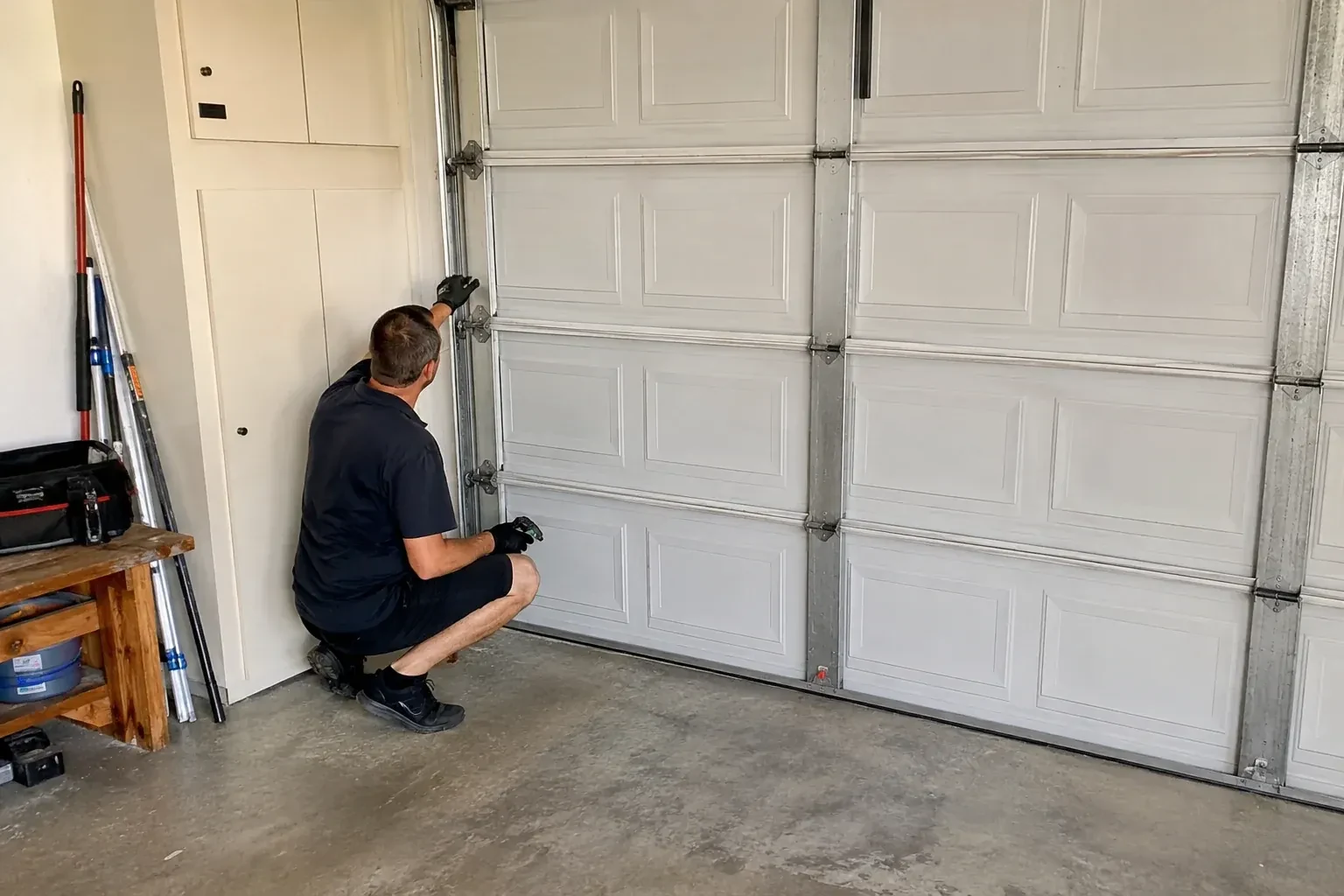
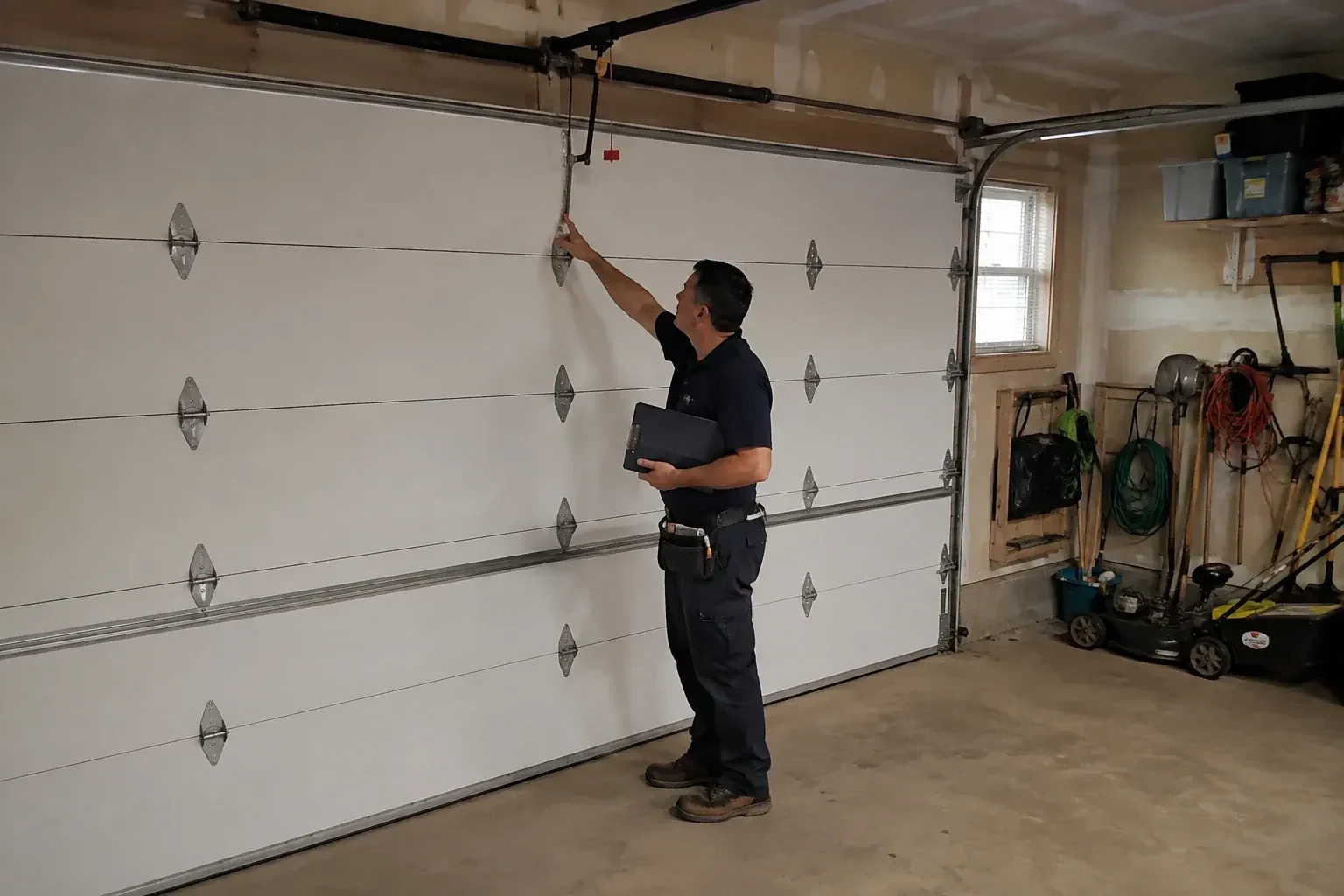
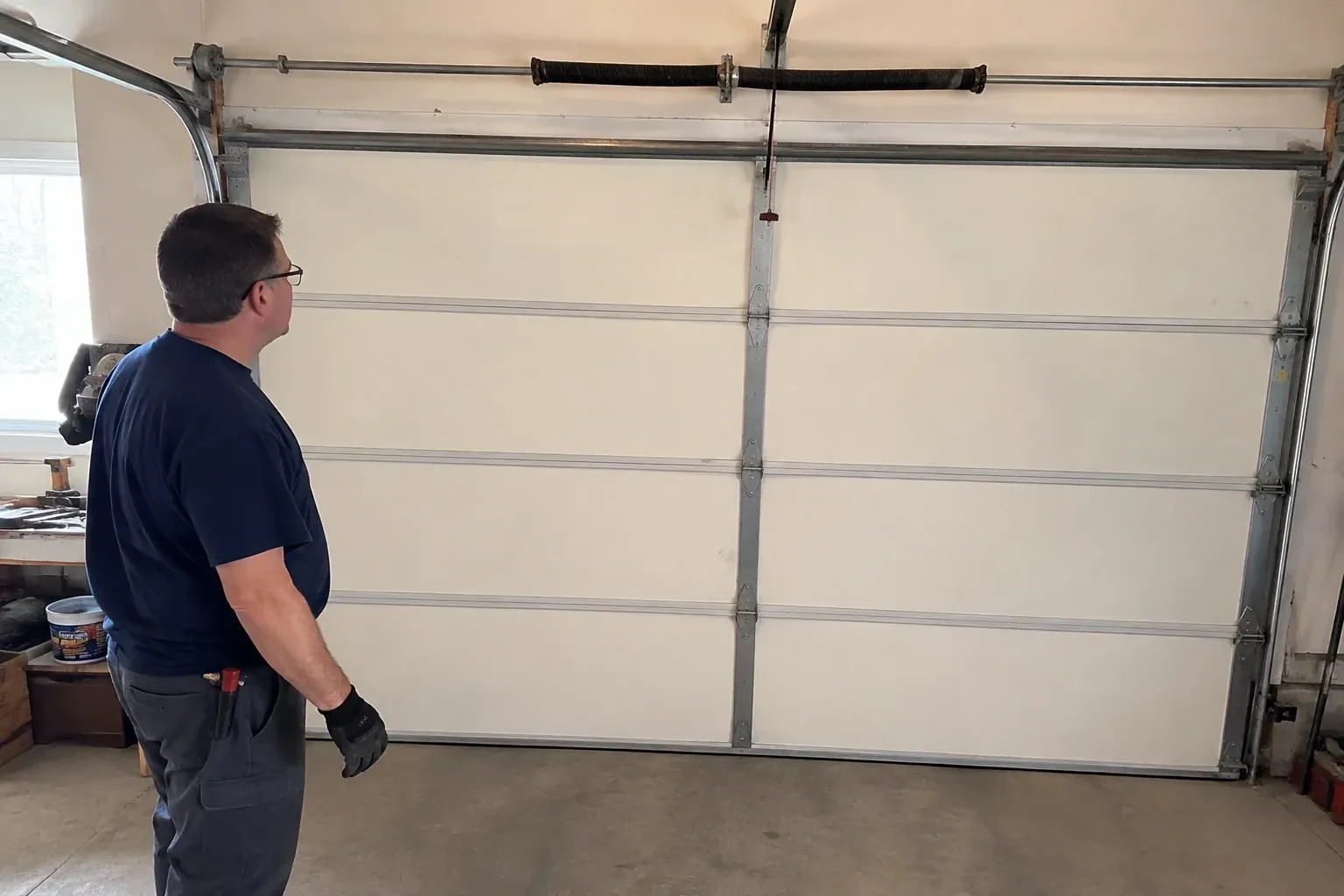
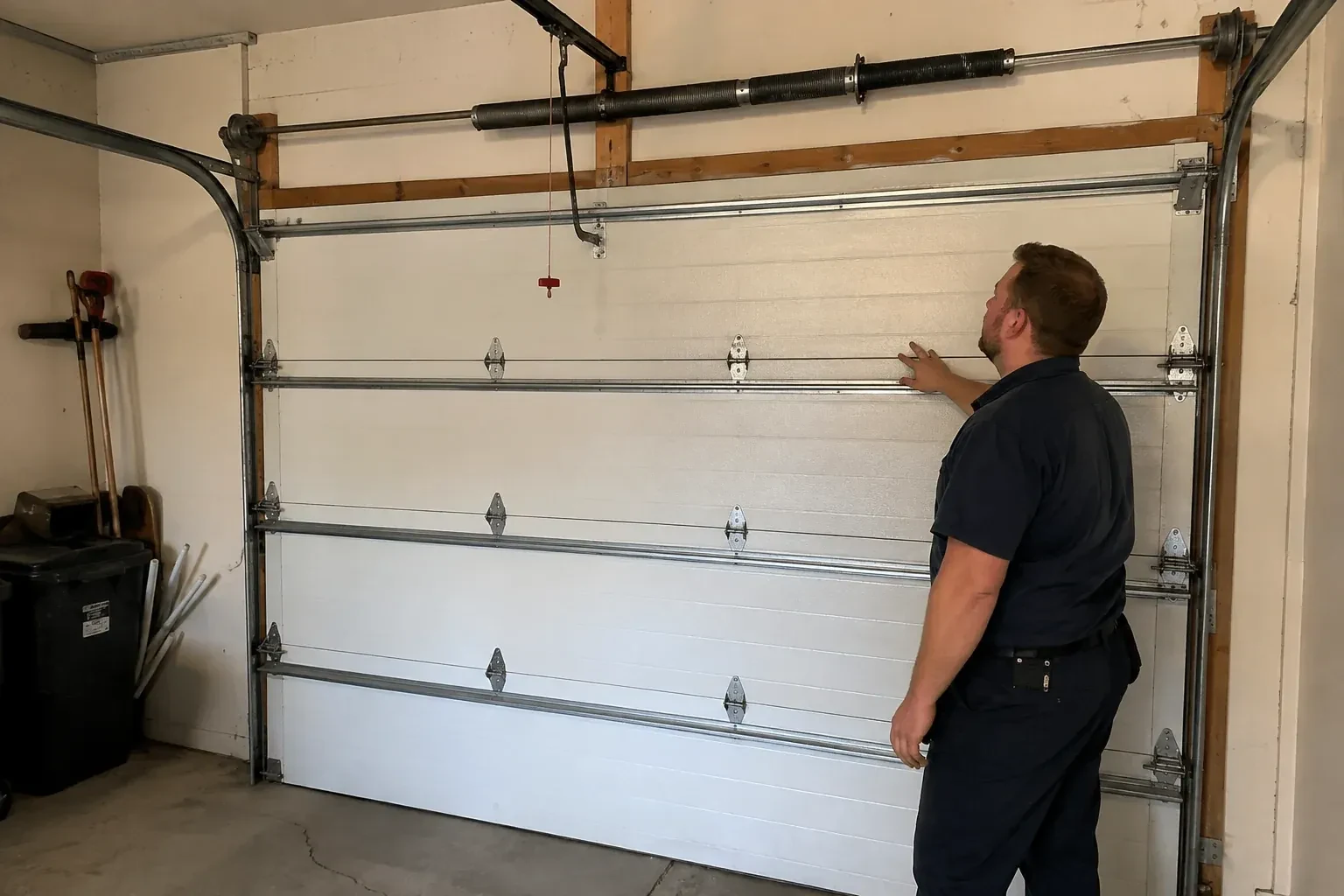
The visit in Adjala-Tosorontio starts with the door secured and a walk around every part of it. The technician then shows you the worn part, the sound one beside it and the choice between them. Nothing is replaced for the sake of it, and nothing that is close to failing is quietly left out.
We have been servicing garage doors in Adjala-Tosorontio for long enough to recognize the door styles that came with each stretch of building. That familiarity helps when a spring needs matching or an older opener needs a sensible upgrade. Homeowners and businesses in the area can expect a careful look at the door, plain talk about the options and a repair or installation done properly.
24years in business
24/7open every day
Nothing hidden. Every part we replace, you can see. Every adjustment, we explain. If we find something unexpected, we stop and tell you before continuing.
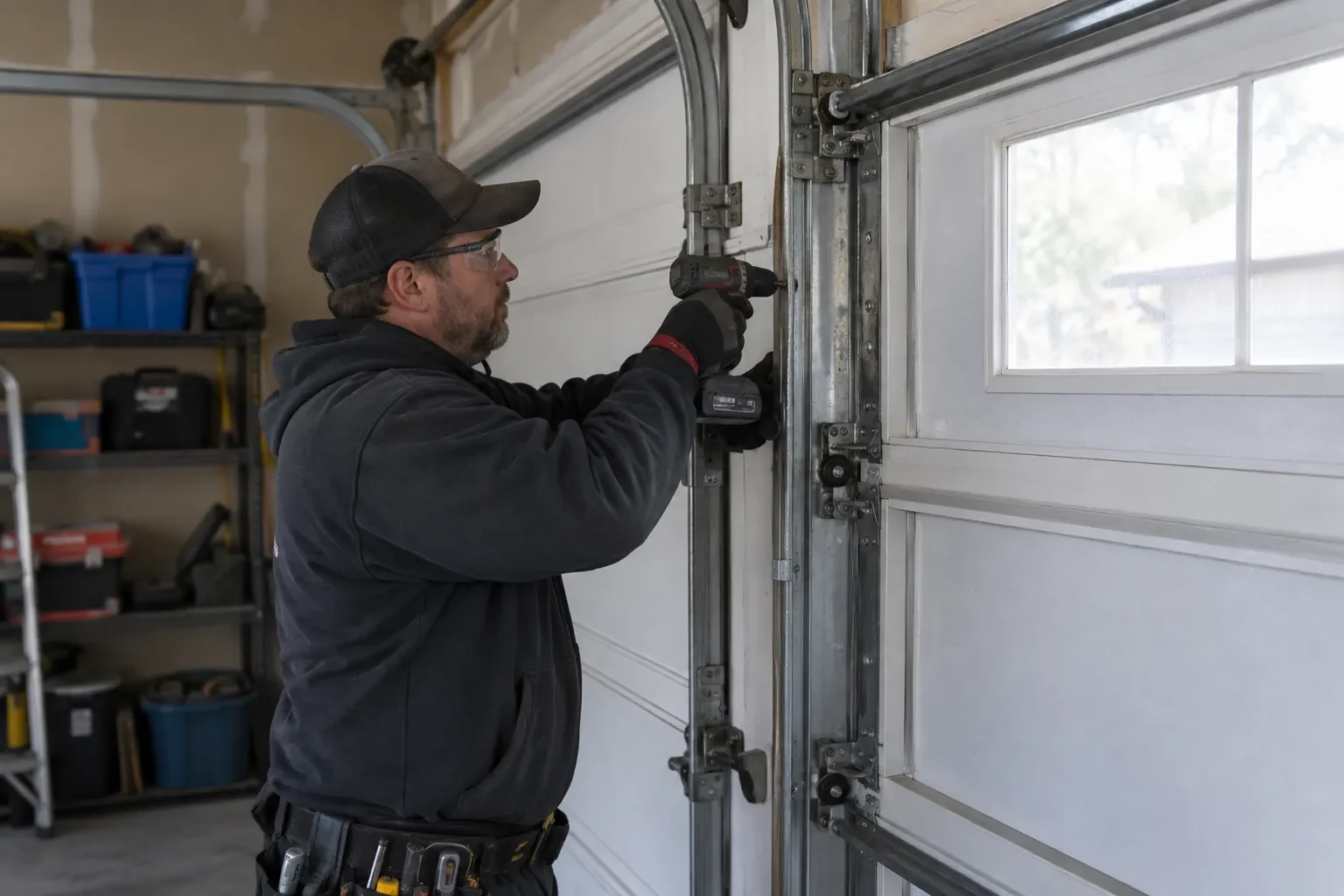
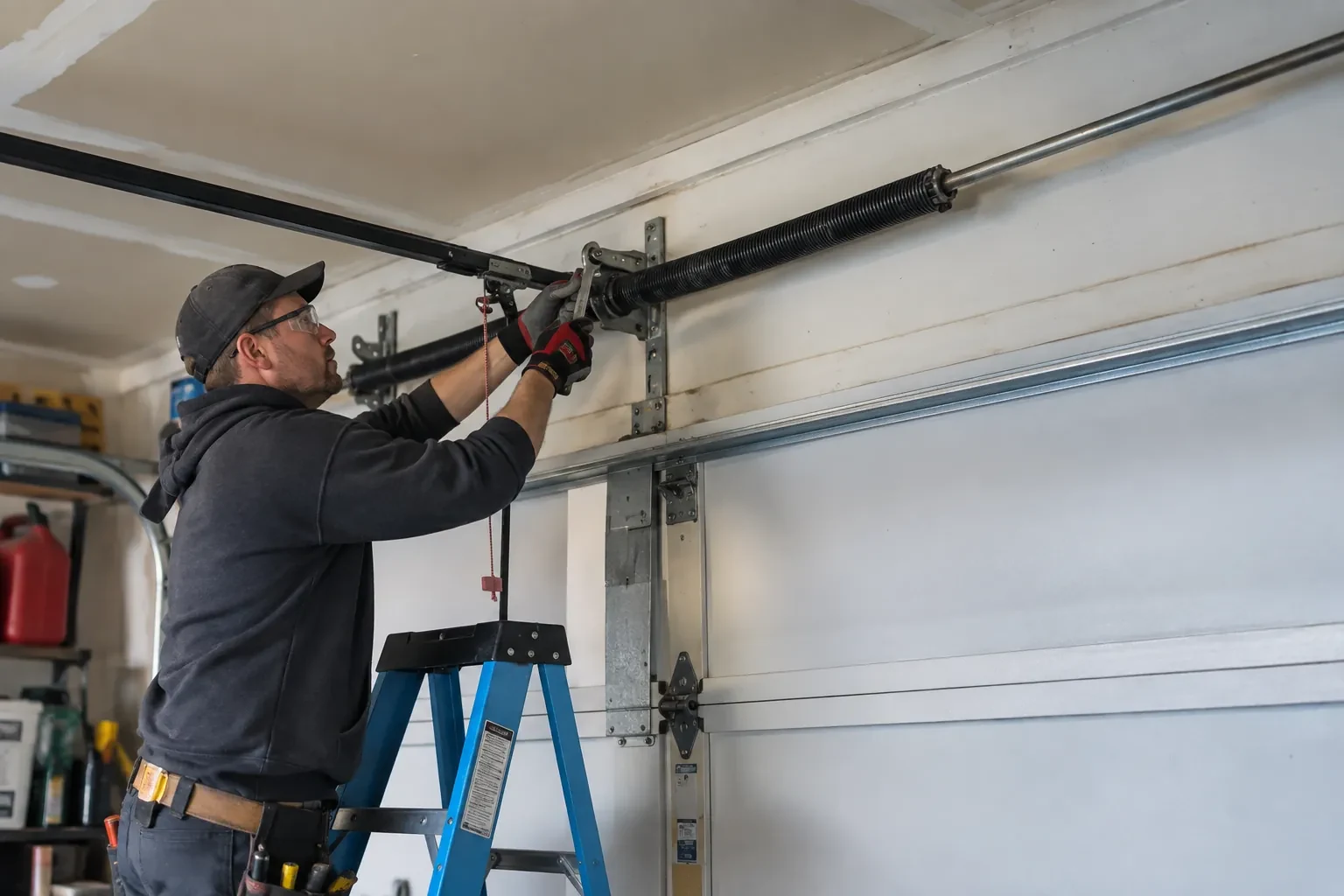
Care with heavy parts. Springs and cables are handled with the right tools and a steady method, and the door is secured before any tension is released.
Clear about what comes next. Before we leave, you know what was done, what to watch for, and when the door might want attention again.
Have a technician assess your door in Adjala-Tosorontio.
Every garage door service we offer in Adjala-Tosorontio is described the same way: what you might have noticed, what the technician checks first, how the work is done and what you have afterwards. Start with the symptom you are seeing and the right service will be easy to find.
About 50% of homes in Adjala-Tosorontio were built in 1980 or earlier, according to the 2021 Census.
Older homes
Older garages are frequently used as workshops or storage as much as parking, which means the door opens many times a day and collects dust on the sensors. Sealed rollers, protected photo-eyes and a tune-up schedule suit that pattern well.
Single-detached houses make up about 97% of homes in Adjala-Tosorontio (2021 Census).
Mostly houses
Detached houses commonly have attached two-car garages with a wide double door, which is a heavy door on a pair of torsion springs. Spring and cable work on these doors is done as a matched set so the door lifts level and the opener carries only its intended load.
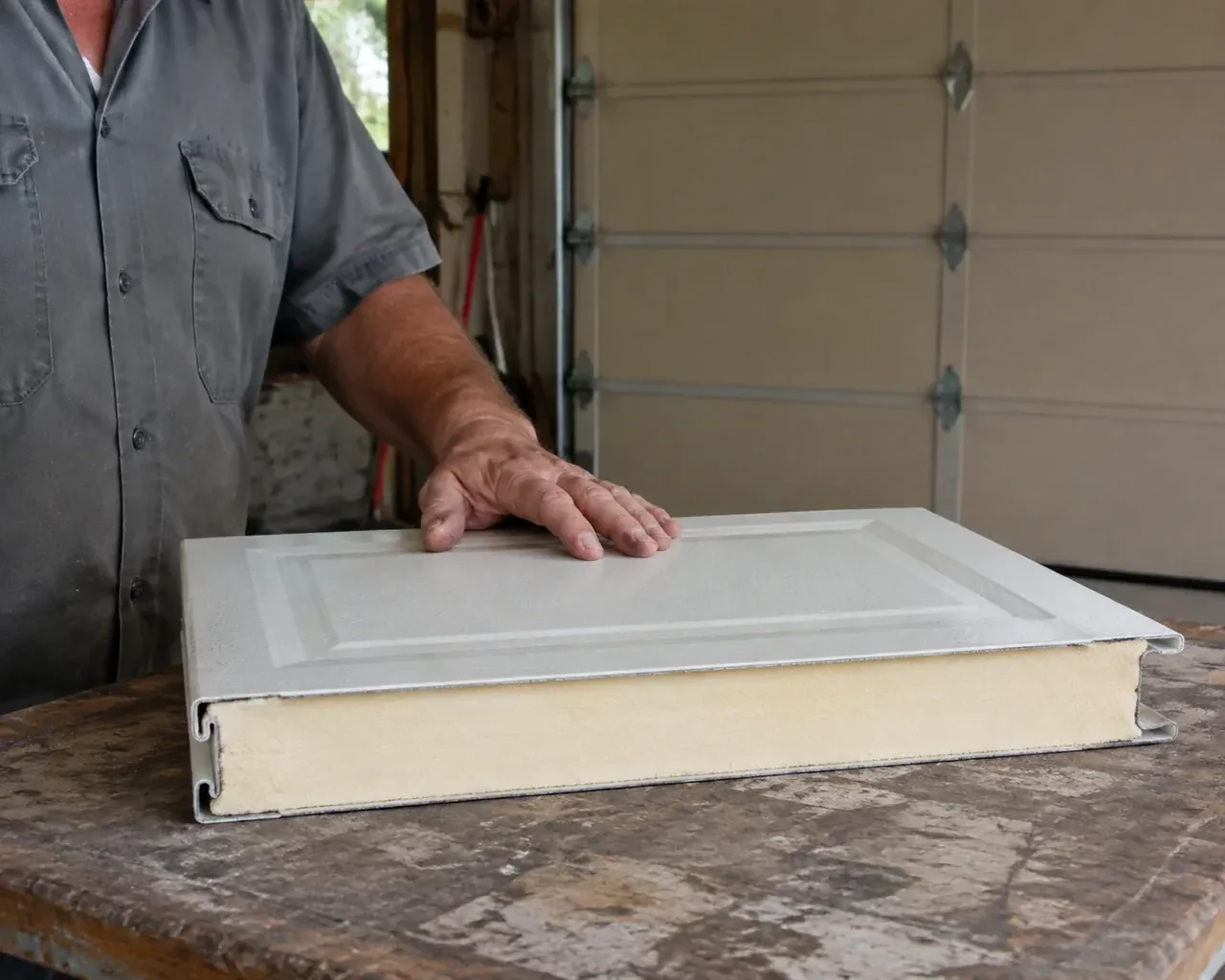
You misjudged the last metre of the driveway and felt the bumper meet the door. The bottom section now carries a crease across most of its width. The door still opens, but it shudders as that section reaches the curve in the track.
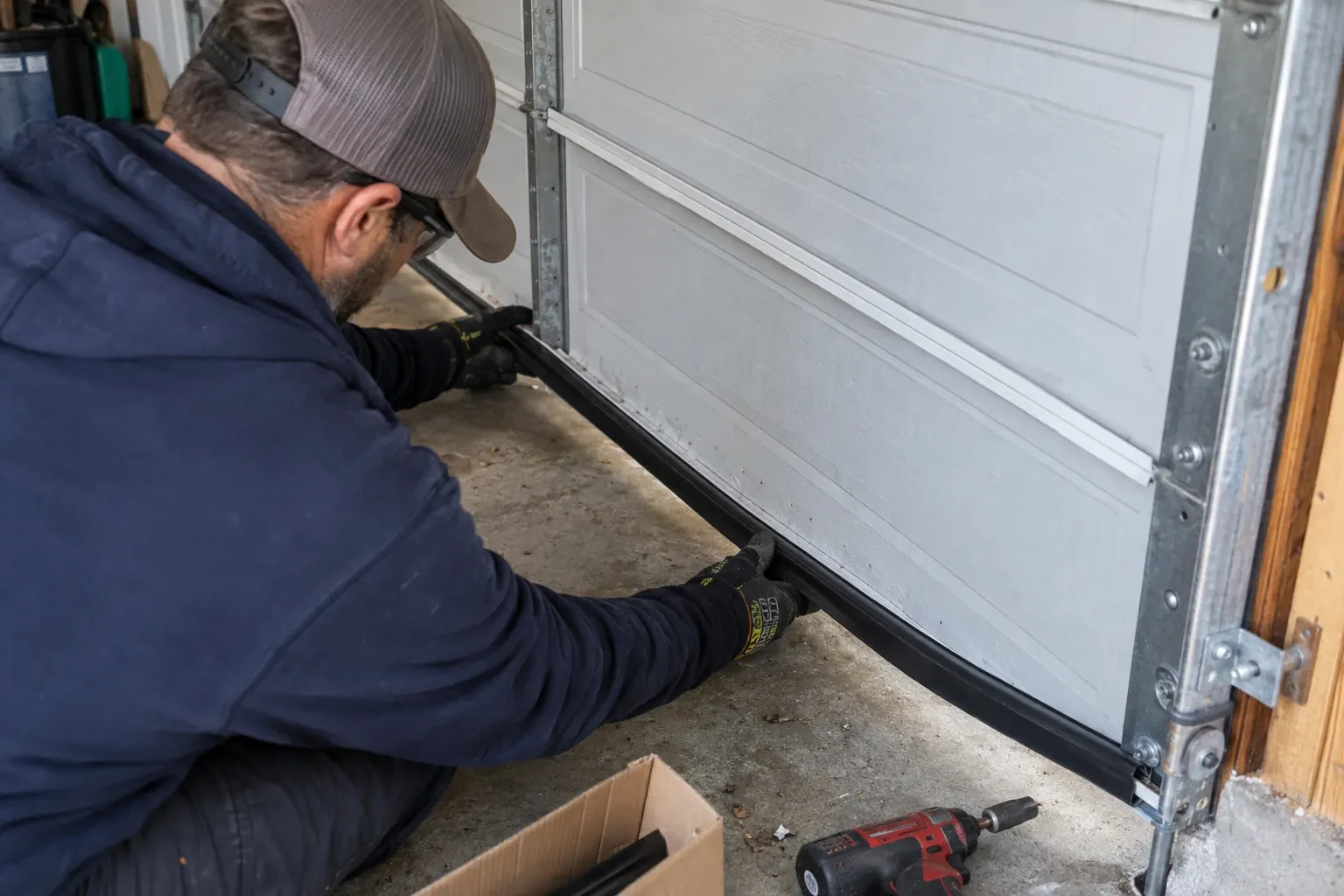
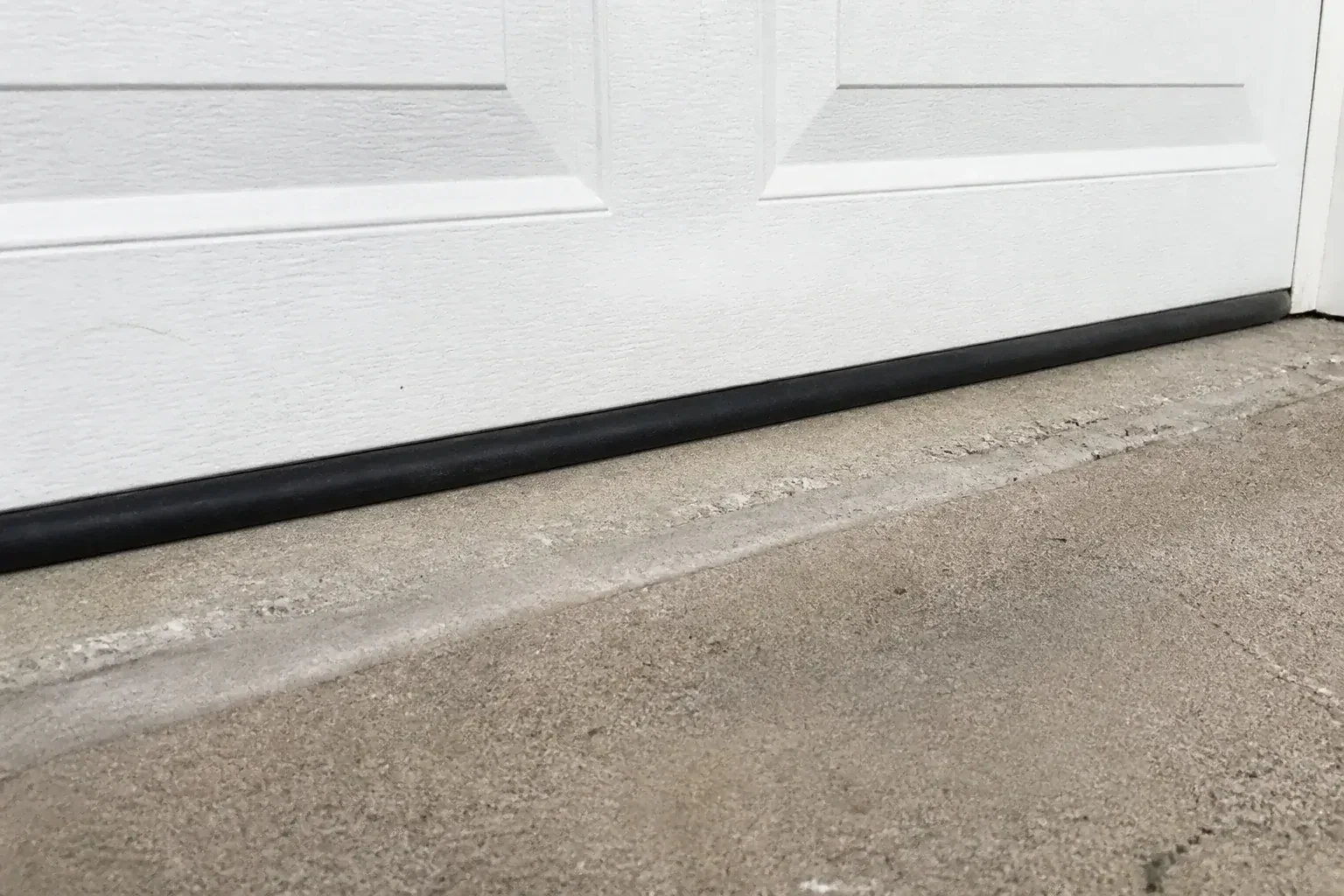
Every time the door closes there is a rubbing squeal along one side, and the flexible fin has folded under itself and torn. Someone painted the trim last summer and painted the seal with it; now it is stiff as a board.
It is a February morning and the key goes only halfway into the garage handle. Yesterday's melt ran down the door face and into the keyway, and overnight it set like glass. The key flexes; the cylinder stays put.
The door shudders as it rises, worst where the track bends from vertical to horizontal. Watching from inside, you can see one section rock from side to side while the others sit still, and the whole door lands with a clunk.
The horizontal rail toward the back of the garage sags noticeably. The hanger that once held it to the ceiling swings on a single screw, and the open door drifts back down a few inches.
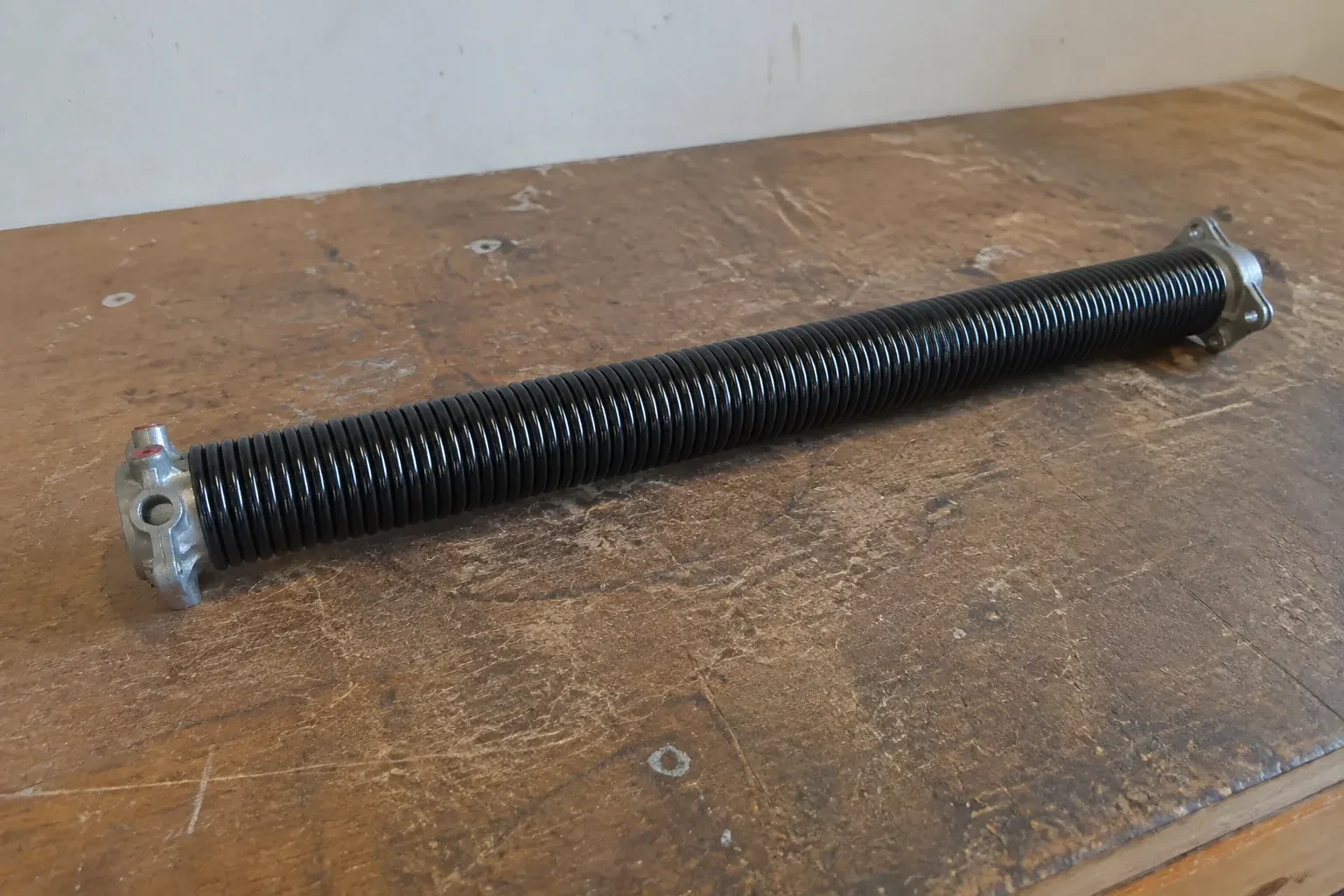
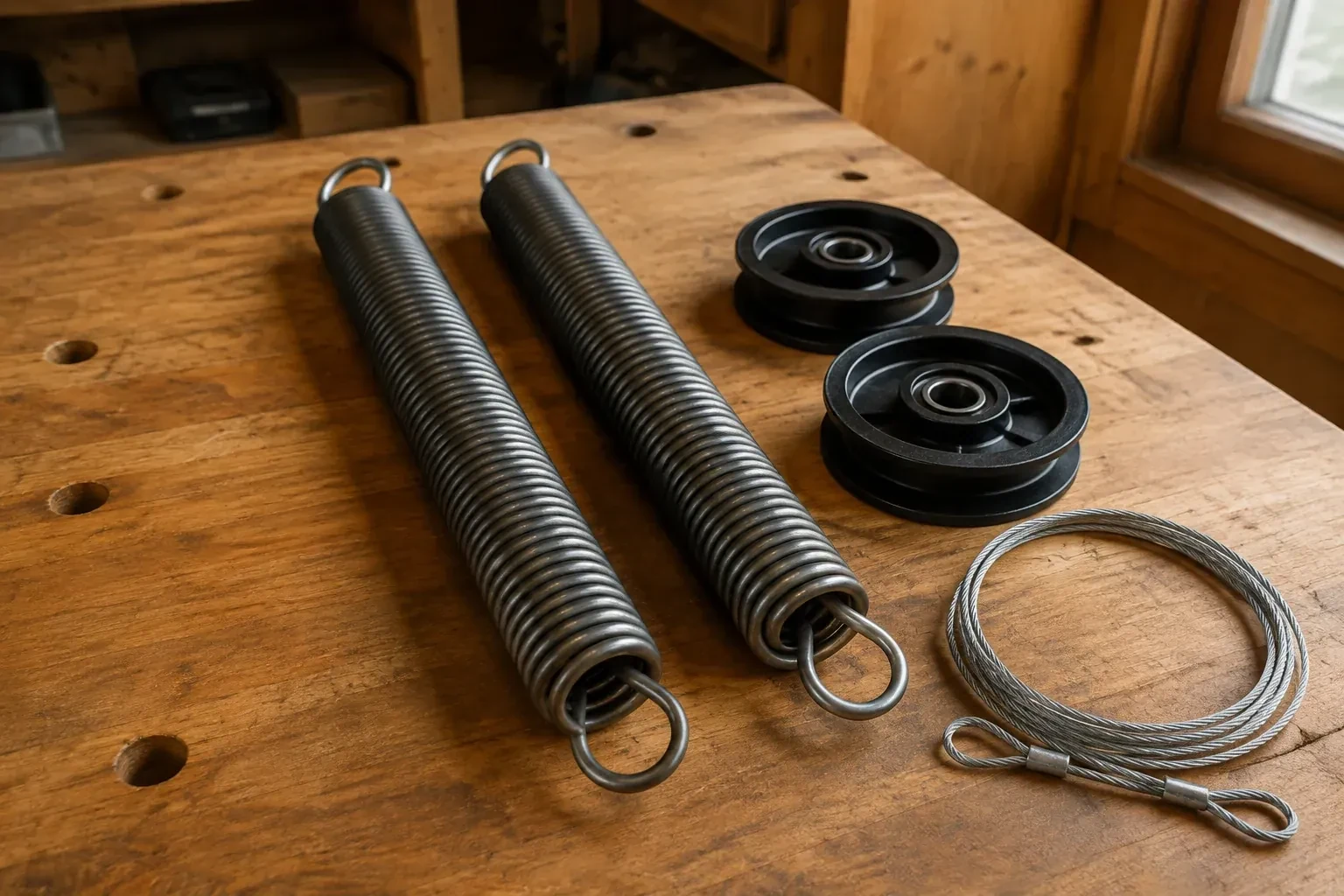
Nothing broke outright, but the door has grown heavier each winter, opens more slowly and squeals as it moves. The springs on an older door have lost tension and the coils show pitting, so the system is asking for attention before it fails.
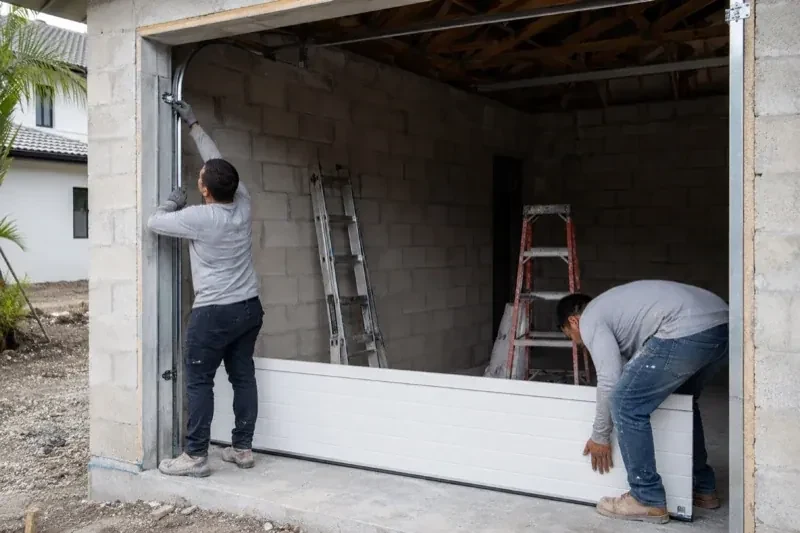
The garage walls are framed, the roof is on and the opening is taking shape. Now the build needs a complete sectional door system measured to the finished width, height and surrounding clearances.
One busy service-bay door has become louder than the matching doors beside it. Its hinges show movement at the fasteners, several rollers have side play, and the operator vibrates through the supporting structure.
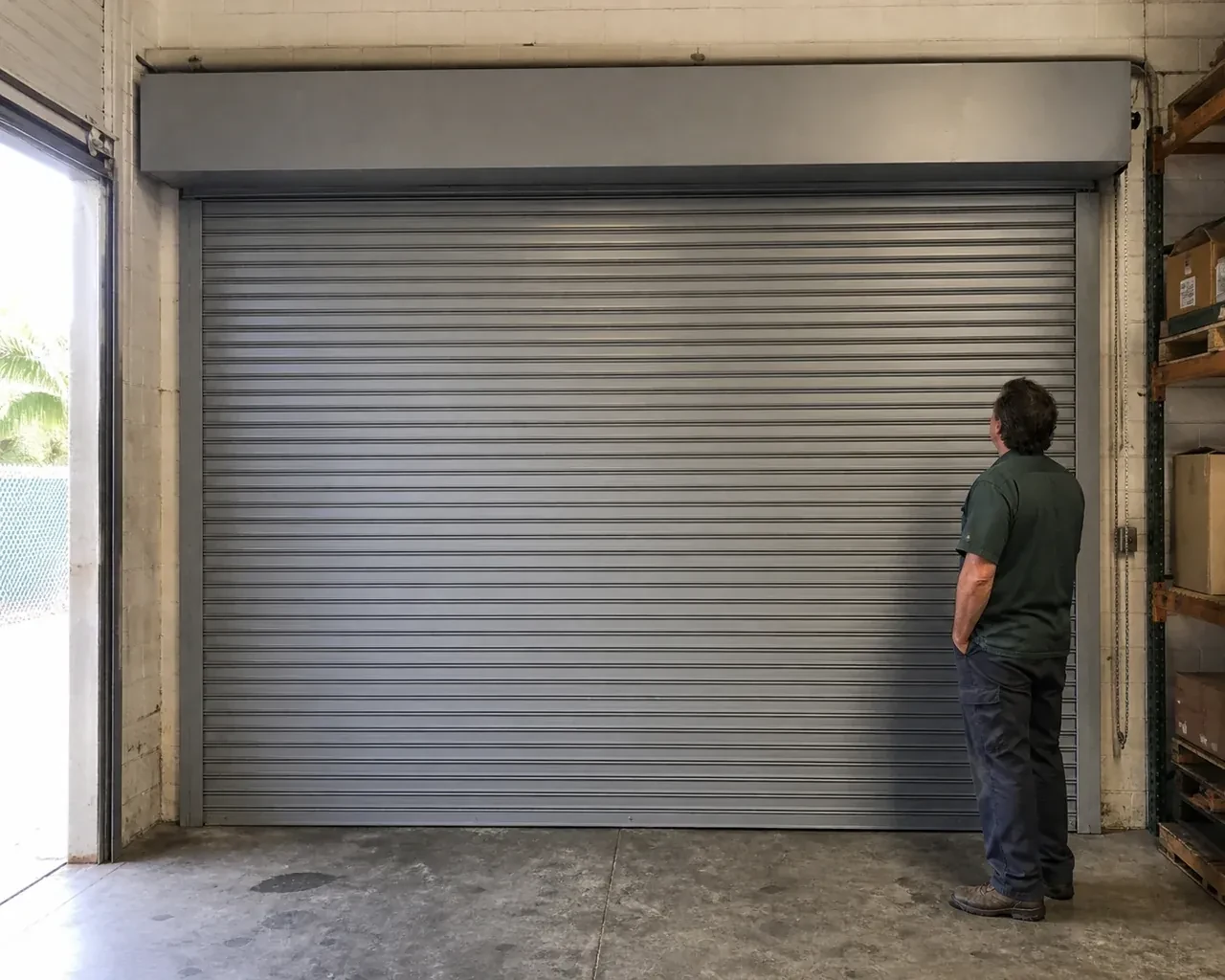
The rolling door starts upward, then one side rises ahead of the other. Its bottom bar sits on an angle, several slats scrape the guide, and the opening is no longer clear enough for normal shipping traffic.
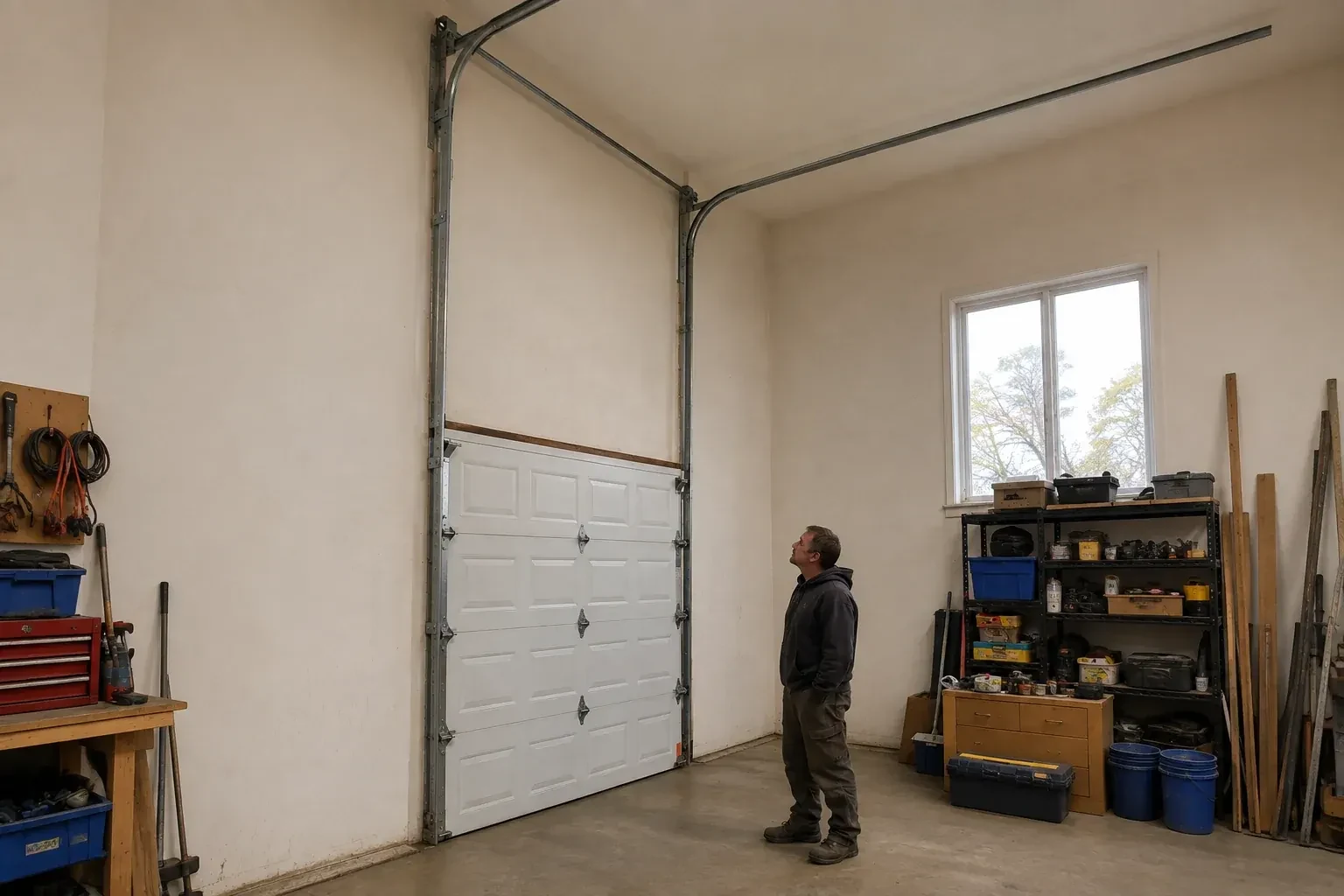
Your new vehicle lift fits the floor plan, but the open garage door crosses the space above it. The ceiling is high enough; the standard track simply turns too soon and leaves the panels hanging over the raised vehicle.
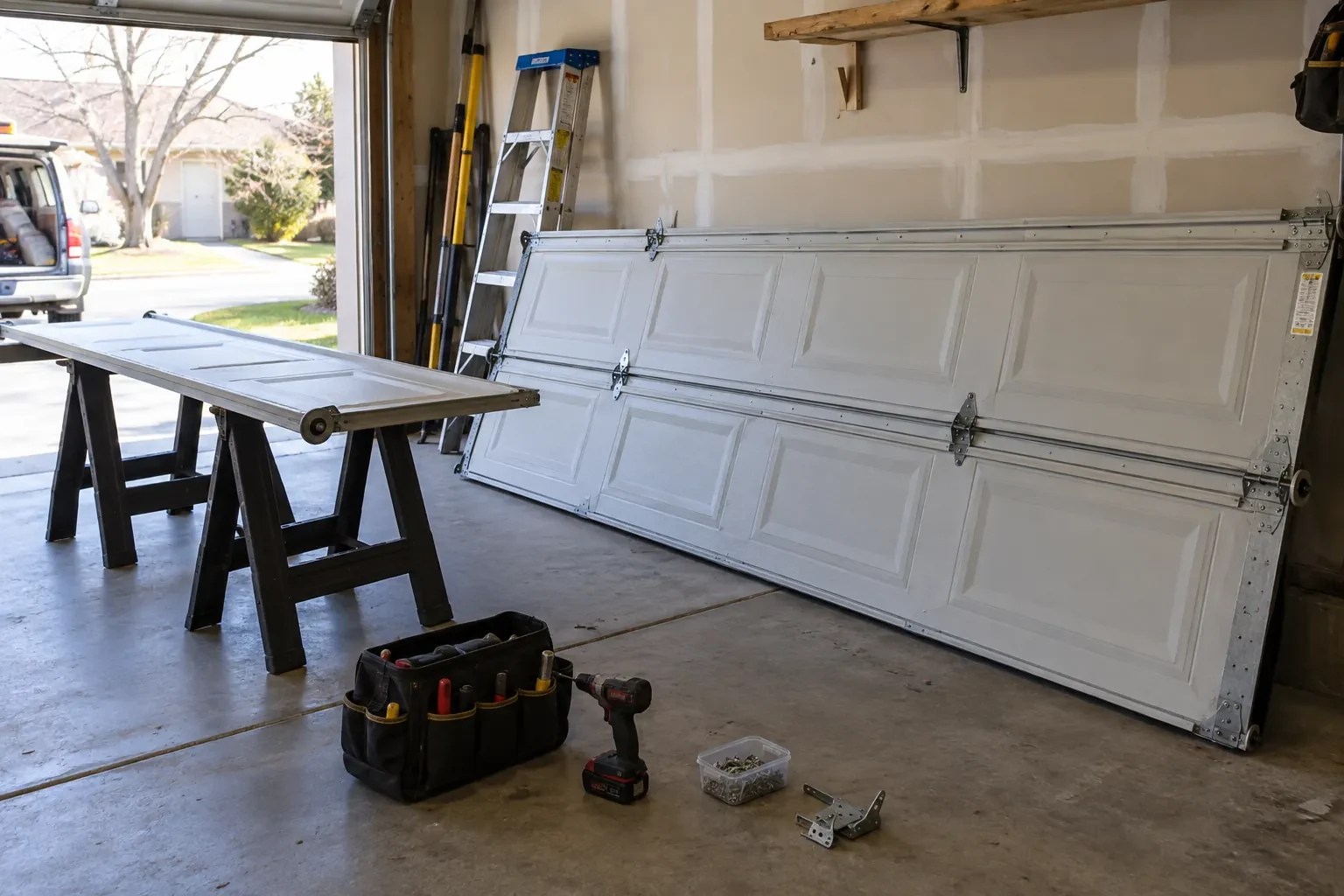
When the old door comes down, everything that carried it goes with it: the tracks, the springs, the cables and the rollers. A new door on old hardware is a compromise, and we do not install that way.
The door used to glide up with a soft hum. Now there is a sharp clack every second or so, and if you stand underneath you can see the belt sagging below the rail and slapping it on the way up.
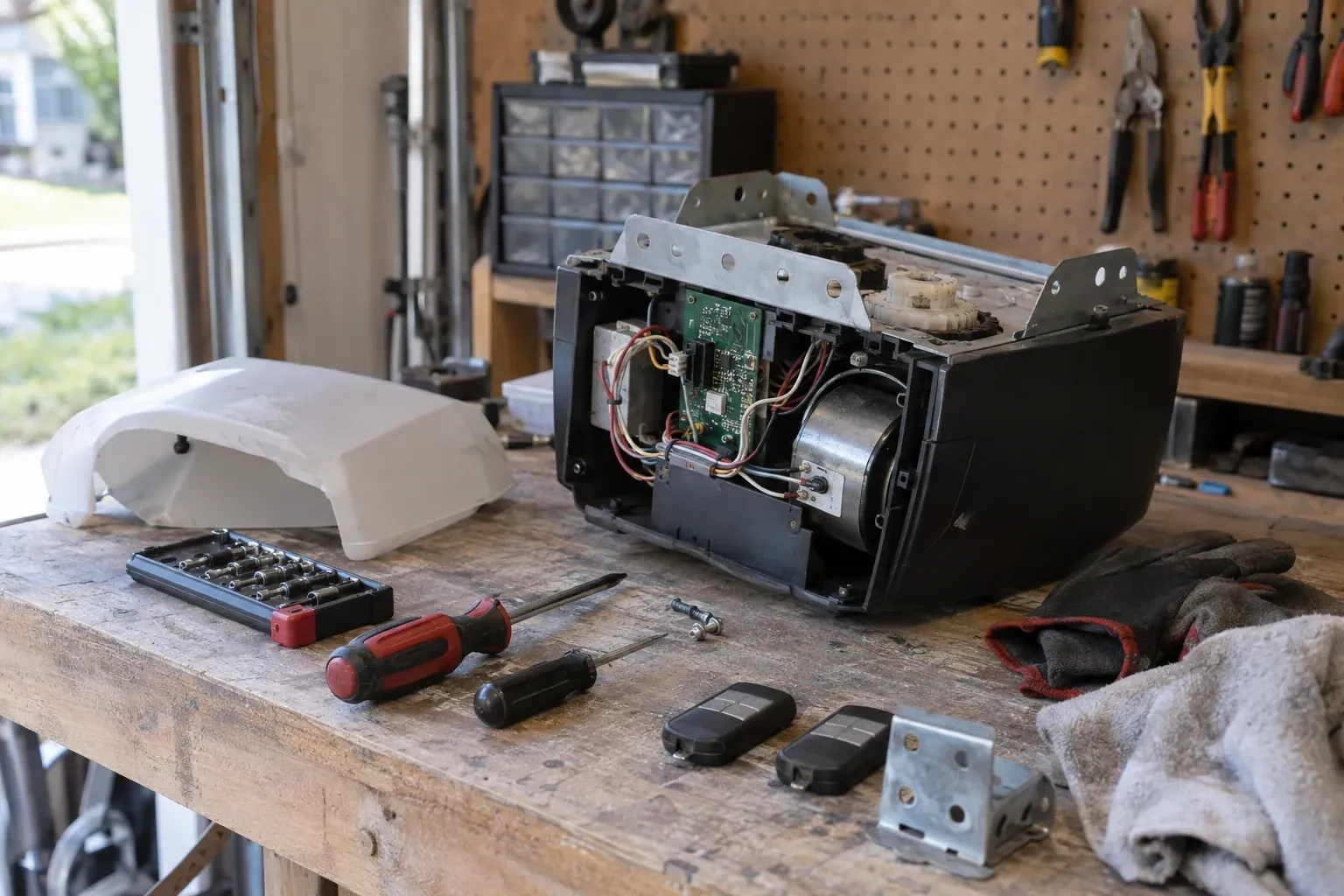
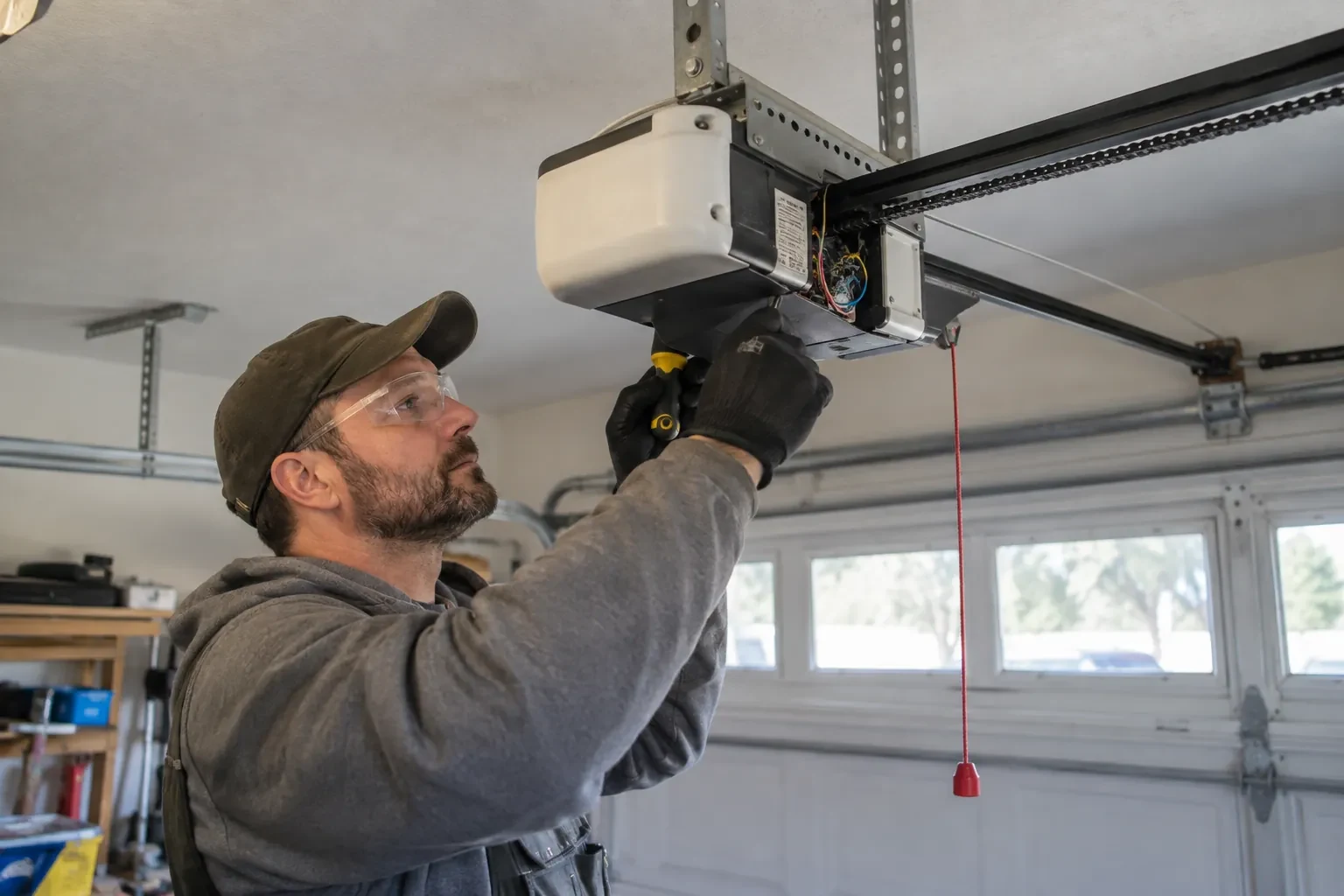
Press the button and the motor hums, but the door stays exactly where it is. Under the housing there is a dusting of white plastic shavings, the sign of a stripped drive gear, and this is the second time it has happened.
On bright mornings the door will not close, then by lunchtime it behaves itself. The garage faces the low sun, and the light reaches straight across the floor to one of the little black sensors.
Someone in the family tried to add a remote, held the button on the ceiling unit a little too long, and now every remote in the house is dead at once. The wall control still moves the door.
It is February. You come down in the morning and the garage door has stood open all night; the car is frosted inside, the furnace has run without a pause, and the pipe in the shared wall is your first worry.
Your garage is detached and has no side door. The remote is dead, the keypad is dead, and the small round lock in the top panel is meant to be your way in.
Which fix fits?
You misjudged the last metre of the driveway and felt the bumper meet the door.
WhyThe finished result is a door that behaves the way a good garage door should: it lifts by hand with light effort, stays where you leave it at mid-height, closes softly and lets the opener run with little strain.
The garage walls are framed, the roof is on and the opening is taking shape.
How do I know whether the damage is only cosmetic?
Watch the door move. A cosmetic dent leaves the section flat at the joints, the door travelling without a catch, and the hinges and rollers seated normally. Signs that the damage goes further include a crease that reaches a joint or stile, a hinge screw that has pulled out, a roller sitting crooked in the track, a gap of daylight at a joint, or a shudder as that section reaches the track curve. Any of those calls for a proper assessment.
Can you replace just one side or only the top piece?
Yes, a single damaged length can be replaced when the rest is sound and still soft; the new piece is matched to the existing profile and colour and its corner is overlapped with the neighbouring fin. When the whole set is the same age and the others are hardening too, replacing all three at once gives an even seal and saves a second visit, and the technician will say which applies.
Do I need a manual lock at all if I have an opener?
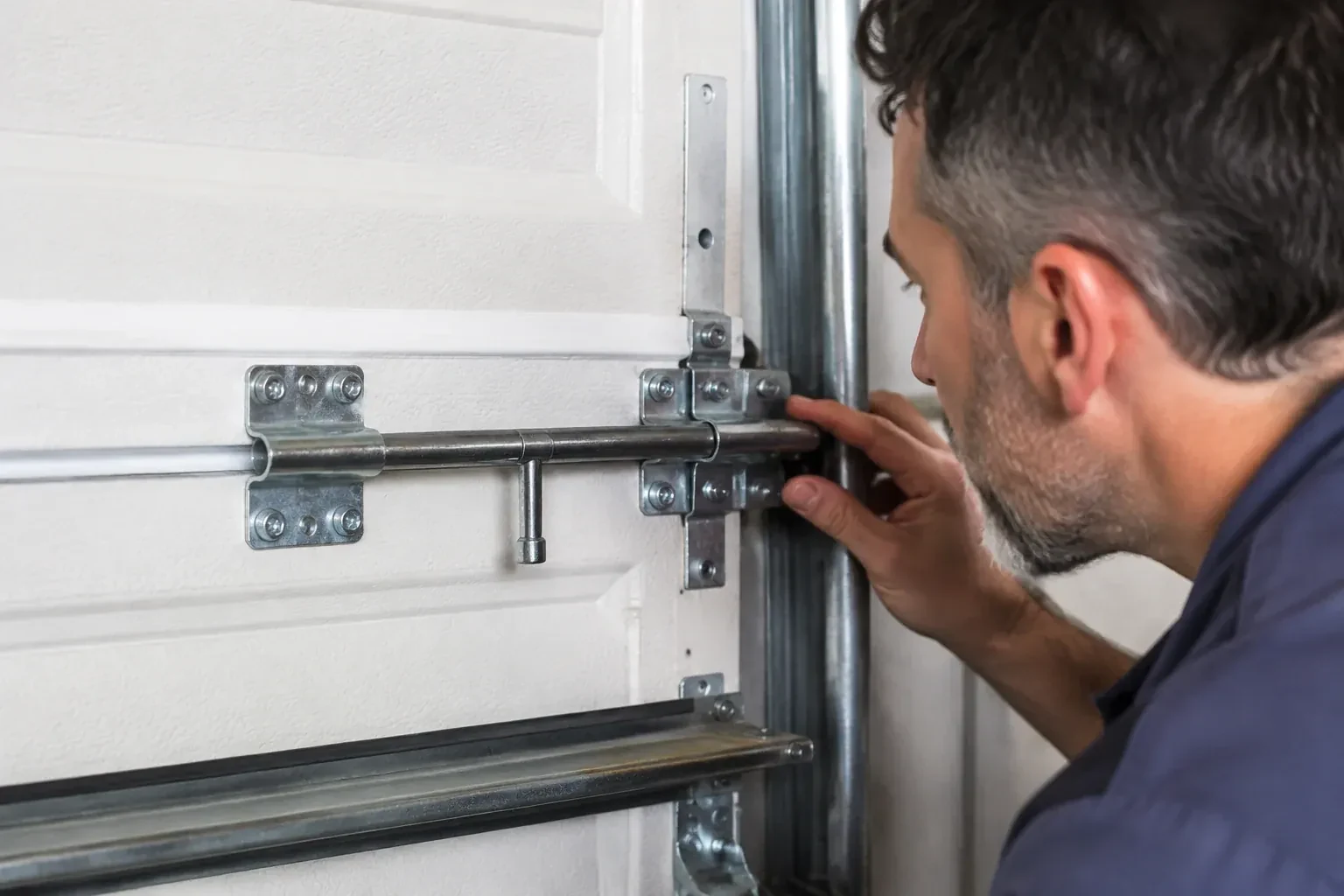
Many households do without one. With the trolley engaged, an opener holds the door shut, and most wall consoles include a lock-out button that disables every remote while you are away. A manual lock earns its place for power outages, for a detached garage without an opener, and for anyone who likes a physical bar in the track. The technician can set the door up either way.
Are the bottom rollers different from the rest?
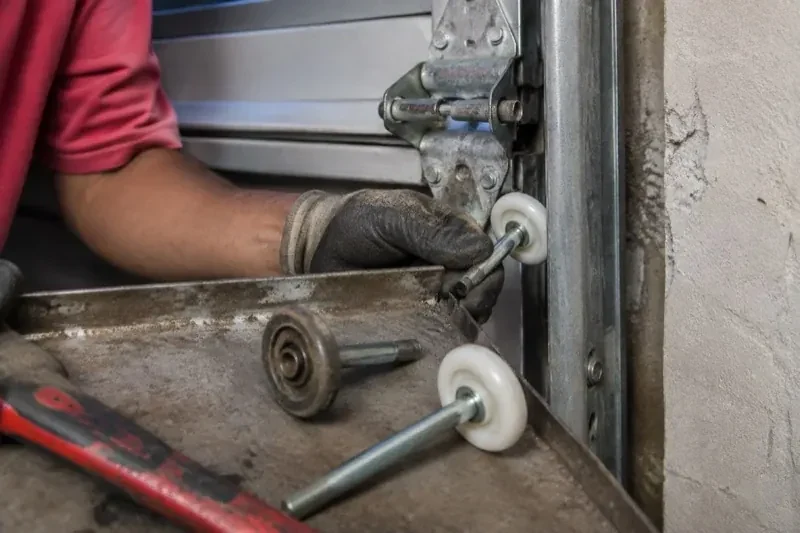
The wheels themselves are usually the same, but their home is not. The bottom rollers sit in the bottom brackets, which also anchor the lifting cables and therefore carry the counterbalance load whenever the door is closed. That is why manufacturers put warning labels there and why this position is handled by a trained technician who either exchanges the roller without disturbing the bracket or relieves the spring tension first. It is also the position most exposed to salt and slush, so it is inspected with extra care.
Should the track be lubricated?
It depends on the door, and manufacturers disagree, which surprises many people. Some want the track kept clean and dry, since lubricant there can collect grit and let the wheels skid instead of roll, wearing the roller and the track edge; others specify lubricant at the track bend. The moving parts, roller bearings, hinge pins and springs, get their own lubricant either way, in the type the manual specifies, with a few cycles of the door to spread it.
Why does the door need to be balanced, and how is that tested?
Balance means the spring is holding almost exactly the door's weight, so the door neither flies up nor slams down and the opener only guides it. It is tested by releasing the opener, lifting the door to about waist height and letting go: a balanced door stays there. The technician fine-tunes in quarter turns of the spring until the door holds at several heights and travels evenly on both sides.
What electrical preparation does a garage door operator need?
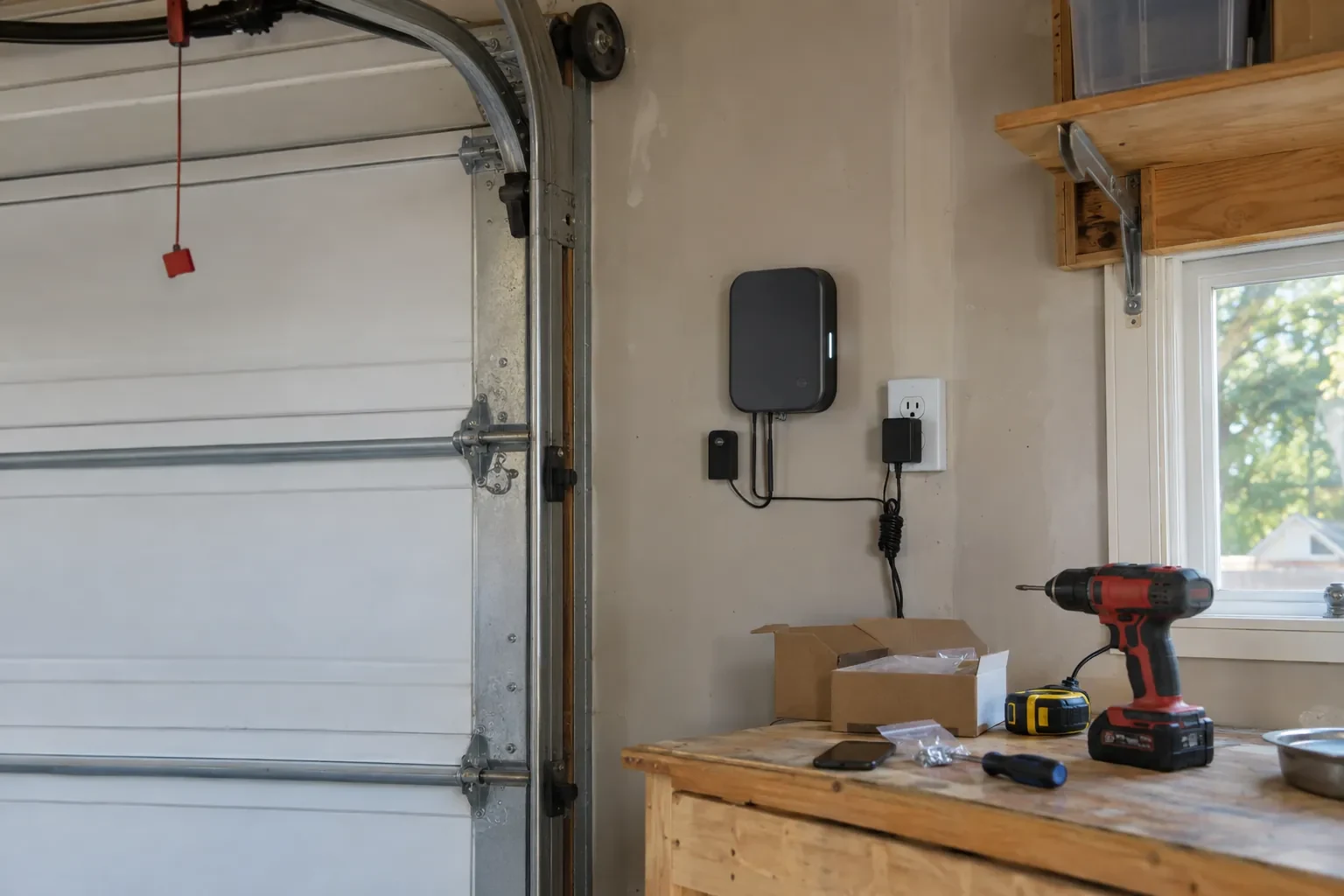
Preparation commonly includes a receptacle near the planned operator, a suitable mounting location and routes for the wall control and photoelectric sensor wiring. Exact electrical requirements follow the chosen equipment and project electrical design. Coordinating locations before drywall helps keep wires clear of tracks, springs and moving sections. The electrical trade and door installer should also agree who completes connections and when power becomes available for commissioning.
Why are the hinges numbered along the sides?
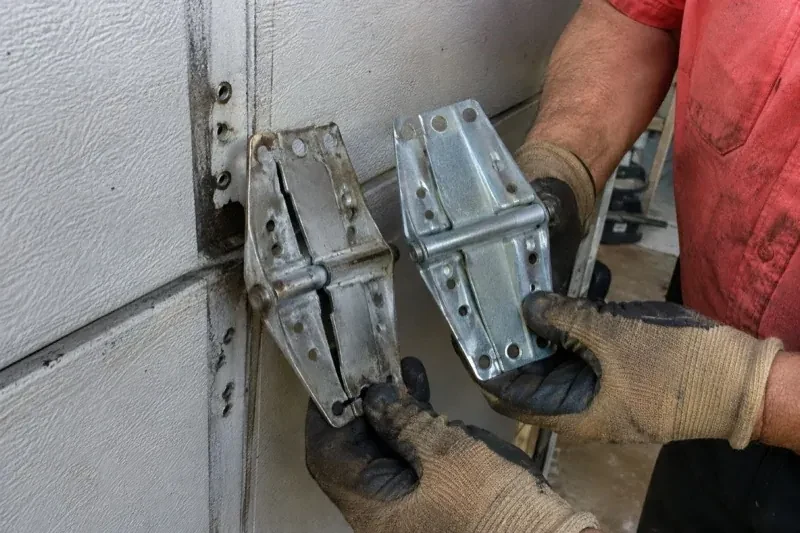
Numbered end hinges position each roller progressively farther from the panel as the sections rise. That changing offset lets the stacked door follow the track curve while maintaining its shape. Installing a hinge in the wrong position can alter alignment and clearance. Centre hinges have a different role: they connect sections across the width without carrying track rollers.
What gets tested before the door returns to use?
Testing follows the repaired system and can include full travel, curtain tracking, bottom-bar level, open and closed limits, manual effort, brake action, controls, locks, interlocks and protective-device response. Several controlled cycles help reveal repeated contact or noise. The completed record names the checks performed instead of relying on a general statement that the door operates.
Which parts are commonly replaced in a conversion?
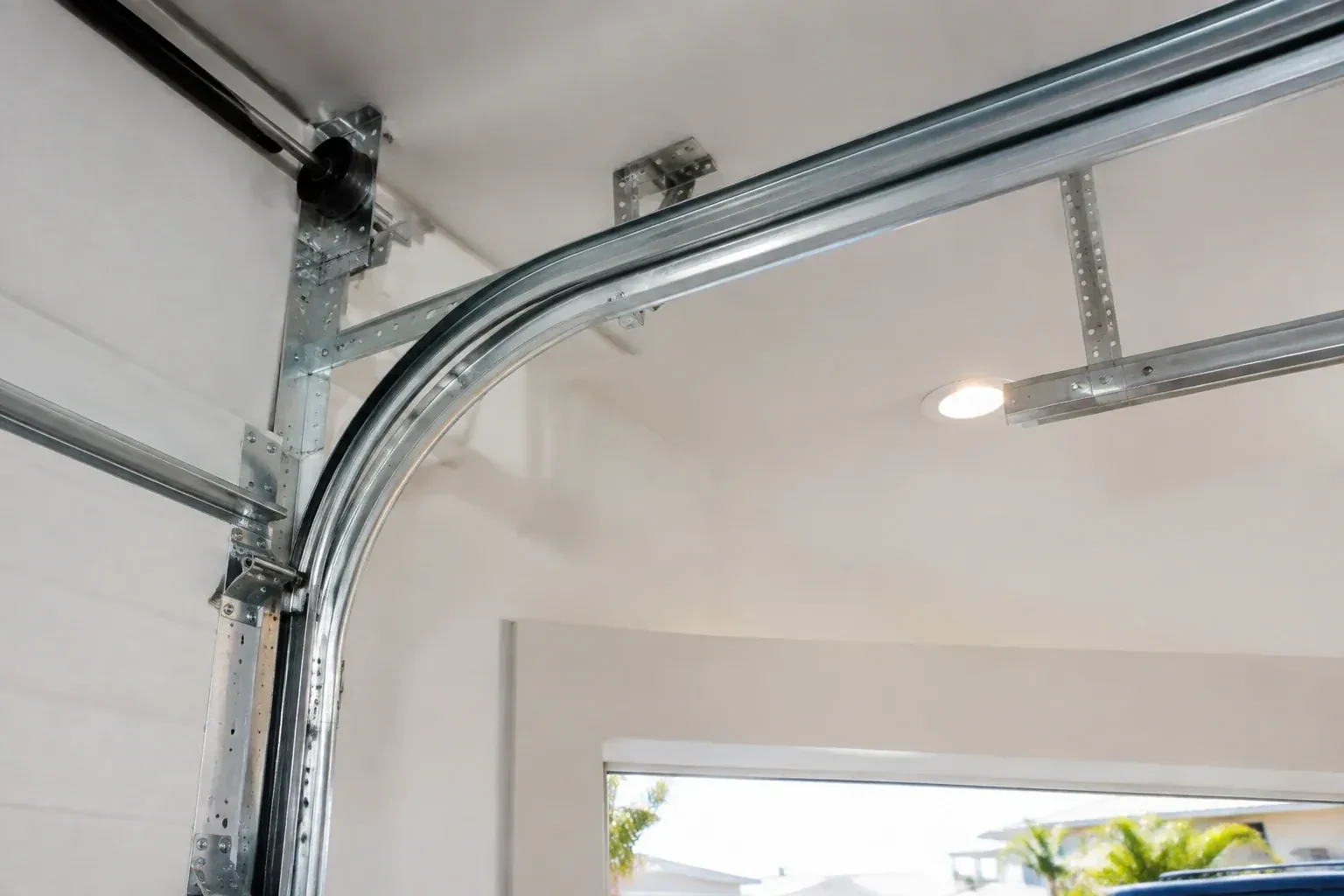
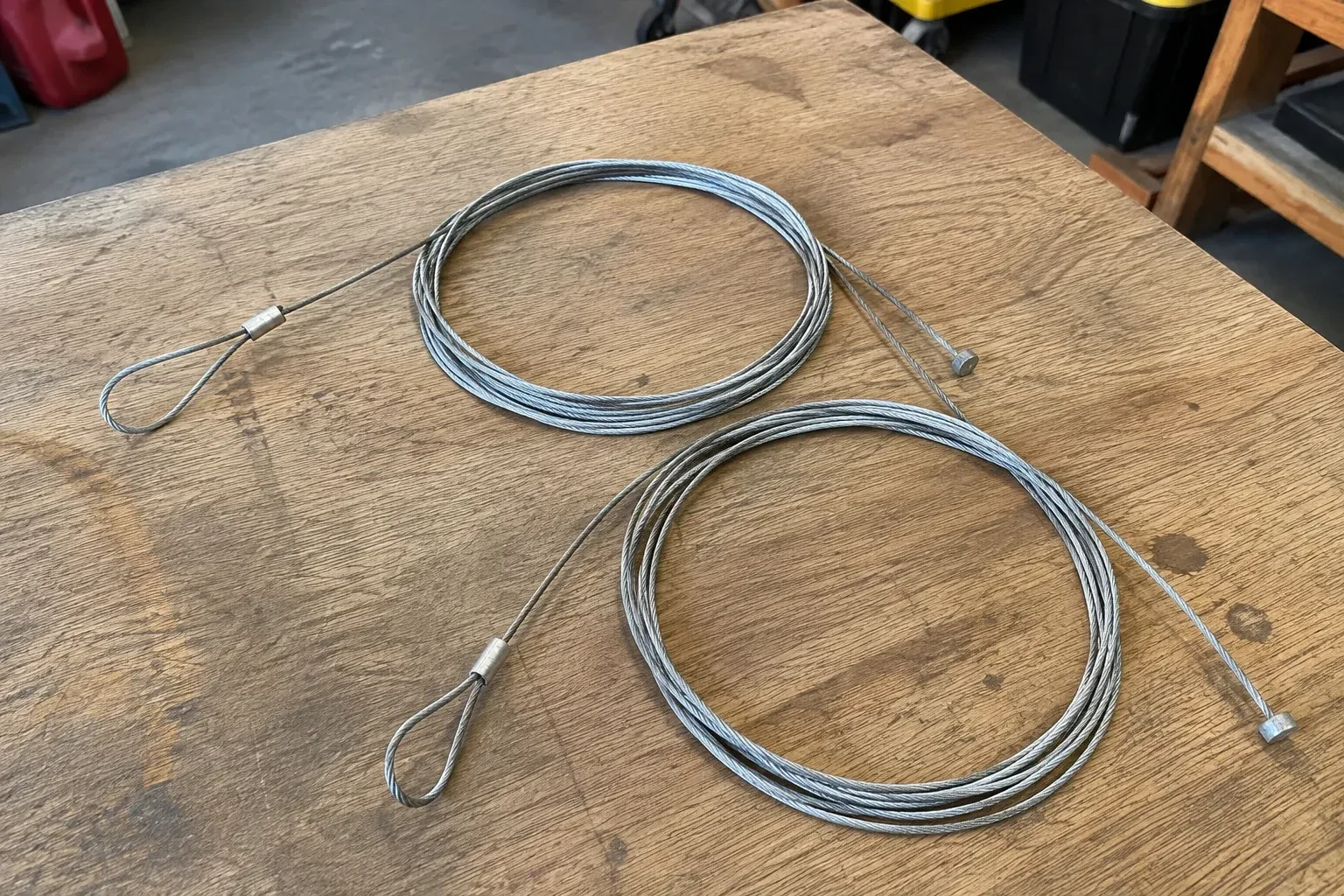
Typical system changes include vertical and transition track, raised horizontal track supports, high-lift drums, longer lift cables, calculated torsion springs and related shaft or bearing hardware. Top fixtures, rollers, brackets and the operator arrangement may also change according to the design. The final list follows measured compatibility rather than a universal kit applied to every door.
Request a visit
The visit in Adjala-Tosorontio starts with the door secured and a walk around every part of it. The technician then shows you the worn part, the sound one beside it and the choice between them. Nothing is replaced for the sake of it, and nothing that is close to failing is quietly left out.